Products List
- Product
- Qty in Cart
- Quantity
- Price
- Subtotal
-
 Featured$18.74MSRP: $20.78SKU: WM-BOL-608R-ABKBRAND: Westgate Manufacturing
Quick Overview
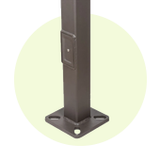
Anchor Bolts And Mounting Plate, 8-inch, Set of 4. Key specs include warranty: 7 YEARS.
FeaturedFeaturedAnchor Bolts And Mounting Plate, 8-inch, Set of 4
WM-BOL-608R-ABK$18.74MSRP: $20.788-Inch Anchor Bolts & Mounting Plate Set Secure your light poles firmly with our top-of-the-line set of 4 anchor bolts and a mounting plate. Essential for professional and reliable light pole... -


2-Inch Slipfitter Adaptor with 1/2" NPT Hub in the Top
WM-LF-AD-KNU$15.74MSRP: $17.78Durable 2-inch slipfitter adaptor featuring a 1/2" NPT hub on top, designed for secure and versatile mounting. Key Features and Benefits Robust construction for reliable performance 1/2" NPT hub... -

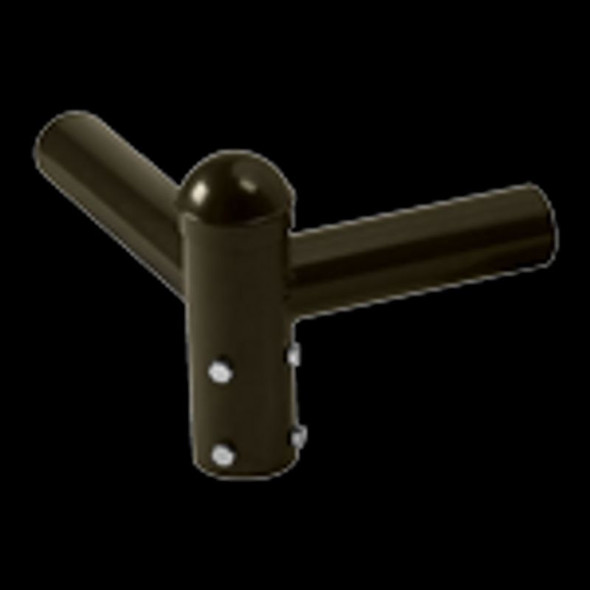
90° Bullhorn Round Pole Tenon Adapter for 2 Fixture
WM-PTA-290$121.30MSRP: $134.78Heavy-Duty 90° Bullhorn Adapter - Mount Two Fixtures on Round Poles Transform your commercial lighting setup with our heavy-duty 90° bullhorn adapter, specifically designed for mounting two fixtures... -

DAB Bent Decorative Wall Bracket Mocel C
WM-DAB-WB-C$165.55MSRP: $184.78Westgate DAB-WB-C Bent Decorative Wall Bracket Introducing the Westgate DAB-WB-C, an elegant and functional addition to the esteemed DAB series. This bent decorative wall bracket effortlessly... -


Square Pole Vertical Tenon, 4-Inch
WM-PSS4SVTZ$45.55MSRP: $50.78Square Pole Vertical Tenon for 4-Inch Square Poles The Square Pole Vertical Tenon, specially designed to fit 4-inch square poles, offers an unparalleled mounting solution for your lighting and... -

DAB Bell Arm for Mounting on Single or Double Pole Adaptor
WM-DAB-BA$71.30MSRP: $79.78DAB Bell Arm for Mounting on Single or Double Pole Adaptor is a Westgate Manufacturing product for outdoor lighting applications.Key FeaturesWarranty: 7 YEARSTechnical SpecificationsItem Weight6... -


90° Bullhorn Round Pole Tenon Adapter, for 4 Fixtures
WM-PTA-490$142.70MSRP: $158.78Product Overview The 90° Bullhorn Round Pole Tenon Adapter (SKU: WM-PTA-490) is a must-have accessory designed to enhance your outdoor lighting solutions. This adapter supports the mounting of up to... -


20Ft. Square Steel Light Pole, Quick-Ship
ENL-QS20S4SQ125$978.45The Energy Light QS20S4SQ125 is a robust and durable 20 Foot Square Steel Light Pole, designed for various outdoor lighting applications. Constructed from 11 gauge commercial-grade steel, this pole... -


15Ft. Square Steel Light Pole, Quick-Ship
ENL-QS15S4SQ125$884.60This 15-foot square steel light pole, manufactured by Energy Light, is designed for durability and quick shipment. With a robust 11 gauge steel construction, it is an ideal choice for a variety of... -

DAB 4" Pole Adapter for 1 Bell Arm
WM-DAB-PA4-1$62.70MSRP: $69.78Westgate DAB-PA4-1 4-Inch Pole Adapter for Single Arm Lights Discover the reliability and elegance in outdoor lighting solutions with Westgate's DAB Series, specifically the DAB-PA4-1. This 4-inch... -


180° Square Horizontal Tenon, Twin
WM-PSS4T180HTZ$74.15MSRP: $82.78180° Square Horizontal Tenon - Twin: Robust and Reliable Outdoor Lighting Mounting Solution The 180° Square Horizontal Tenon - Twin is meticulously designed for dual fixtures, providing a robust and... -


Square Pole Base Double In-Line Bullhorn
WM-PT2-180-S$172.70MSRP: $191.78Enhance Your Outdoor Lighting with the Square Pole Base Double In-Line Bullhorn The Square Pole Base Double In-Line Bullhorn is expertly designed to facilitate the secure and efficient mounting of... -


Triple Square Vertical Tenon
WM-PSS4TRVTZ$367.00MSRP: $407.78Triple Square Vertical Tenon for Outdoor Lighting Ensure your outdoor lighting fixtures are securely and efficiently mounted with our Triple Square Vertical Tenon. Specially designed for holding up... -


4-Inch Tenon Adapter, Round Pole, Bronze
WM-PRPT4$61.30MSRP: $68.78The 4-Inch Tenon Adapter is designed for round poles and provides a secure and standard connection to tenon fixtures. Finished in an elegant bronze, this adapter enhances both the functionality and... -


3-Inch Square Pole Vertical Tenon
WM-PSS3SVTZ$42.74MSRP: $47.783-Inch Square Pole Vertical Tenon for Secure Fixture Mounting The 3-Inch Square Pole Vertical Tenon is a robust mounting accessory, meticulously designed to securely attach fixtures to 3-inch square... -


Double In-Line Bullhorn, 180°
WM-PT2-180-R$178.45MSRP: $198.78Double In-Line Bullhorn at 180° The Double In-Line Bullhorn at 180° is a high-quality mounting solution designed to securely hold two lighting fixtures, ensuring optimal alignment and robust support... -


90° Bullhorn Round Pole Tenon Adapter for 3 Fixtures
WM-PTA-390$148.45MSRP: $164.78Durable 90° Bullhorn Adapter - WM-PTA-390 Introducing the robust and reliable 90° bullhorn adapter, model WM-PTA-390, specifically designed for round poles. This adapter supports up to 3 fixtures,... -


90° Bullhorn Round Pole Tenon Adapter for 1 Fixture
WM-PTA-190$121.30MSRP: $134.7890° Bullhorn Round Pole Tenon Adapter for Optimal Lighting Ensure your outdoor lighting fixtures are securely mounted and perfectly positioned with our 90° Bullhorn Round Pole Tenon Adapter... -

5-Inch Round Base Cover
WSD-IBR5-D$50.75The 5" Round base cover is used to protect the pole base from damage after fixing the lamp pole to concrete with anchor bolts. This product will increase the service life of the lamp pole. -

4-Inch Round Base Cover
WSD-IBR4-D$50.75The 4" Round base cover is used to protect the pole base from damage after fixing the lamp pole to concrete with anchor bolts. This product will increase the service life of the lamp pole.