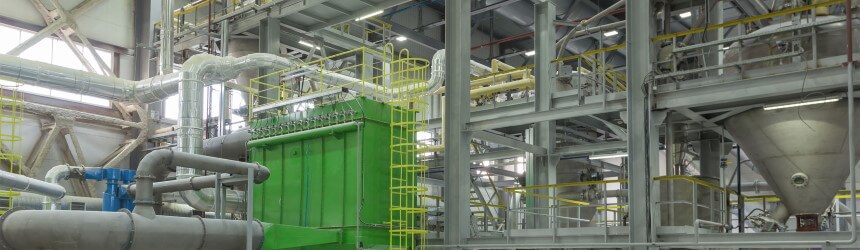
Lighting is one of the most critical systems in any manufacturing or industrial facility. It affects safety, production quality, and overall efficiency. Modern LED lighting has changed how plants operate, making it easier to maintain consistent brightness, lower energy costs, and improve the work environment.
Whether you’re maintaining an existing plant or planning a retrofit, understanding what to look for in your facility’s lighting system can help you make better decisions and reduce long-term maintenance headaches.
Why Lighting Matters in Industrial Environments
Industrial and manufacturing spaces operate for long hours, often under harsh conditions. Lighting needs to be durable, efficient, and dependable. Old fluorescent or metal halide systems often create uneven light, require frequent maintenance, and waste energy.
Upgrading to LED lighting delivers measurable benefits:
- Improved visibility and safety: Bright, uniform light helps prevent accidents around machinery and moving equipment.
- Better quality control: High color accuracy makes it easier to spot defects during production or inspection.
- Lower operating costs: LED fixtures can reduce energy use by 50–70% compared to older systems.
- Reduced maintenance: Long lifespans mean fewer relamps and less downtime for service lifts.
- Increased productivity: Proper lighting supports worker comfort and focus, especially for multi-shift operations.
Pro Tip: Replacing high-intensity discharge (HID) fixtures with LED high bays can yield full payback in under two years in most facilities, even before accounting for maintenance savings.
Key Factors to Consider Before Upgrading
If you’re evaluating lighting for a plant or industrial space, start with these questions:
- What type of work happens in each area? Assembly lines, machining cells, and inspection areas all have different lighting needs.
- How harsh is the environment? Heat, moisture, vibration, or chemicals will determine what fixture ratings are required.
- Are maintenance and access a challenge? Fixtures over production lines or equipment should have long lifespans and field-replaceable drivers.
- Are there specific safety or compliance requirements? Certain areas may require UL844, NSF, or hazardous location listings.
- What energy-saving goals or rebates are available? Many utilities offer rebates for DLC-listed LED fixtures and advanced controls.
Documenting these items helps you choose fixtures that perform well and last.
Common Areas in Industrial Facilities
Each area in a plant has its own lighting challenges. Below are the most common environments and the types of fixtures that perform best in each.
Production Areas
Manufacturing and assembly floors demand bright, uniform lighting with minimal glare. Fixtures must resist dust, vibration, and heat.
Recommended fixtures:
Tips:
- Choose 4000K–5000K color temperature for bright, neutral light.
- Target 50–100 foot-candles depending on the precision of work.
- For metalworking or finishing areas, select fixtures with high CRI (80+).
Maintenance and Utility Rooms
Smaller rooms used for maintenance, compressors, or utilities benefit from simple, durable lighting that’s easy to service.
Recommended fixtures:
Tips:
- Use motion sensors or occupancy controls to save energy.
- Select IP65 or higher where moisture or dust is present.
Washdown and Sanitation Areas
Food and beverage processing lines, bottling areas, and sanitation rooms require sealed fixtures that can handle moisture and cleaning chemicals.
Recommended fixtures:
Tips:
- Look for IP66–IP69K rated fixtures.
- Avoid glass lenses; use shatter-resistant materials.
- Ensure smooth housings that don’t trap debris or water.
Hazardous or Classified Locations
Facilities handling chemicals, paints, or combustible dusts may require fixtures with specific UL or NEC classifications.
Recommended fixtures:
Tips:
- Confirm the correct Class, Division, and Group before purchasing.
- Use corrosion-resistant hardware and conduit seals.
- Choose fixtures with accessible driver compartments for quick service.
Outdoor and Security Lighting
Exterior lighting helps workers move safely between buildings and improves perimeter visibility for security.
Recommended fixtures:
Tips:
- Choose fixtures with surge protection and corrosion-resistant finishes.
- Use photocells or dusk-to-dawn controls to reduce waste.
- Add motion sensors where appropriate for additional savings.
Egress and Emergency Lighting
Code compliance and worker safety require that exit routes remain illuminated at all times, even during power outages.
Recommended fixtures:
Tips:
- Verify battery runtime and testing features.
- Consider remote heads for long egress paths.
- Maintain clear visibility of all exit signage.
Common Mistakes to Avoid in Industrial Lighting Projects
Even experienced contractors run into issues when upgrading plant lighting. The following pitfalls are the most common and easiest to prevent:
- Ignoring environment ratings: Installing standard fixtures in hot, wet, or corrosive areas shortens lifespan drastically.
- Underestimating glare: Replacing old high bays with very high-output LEDs without diffusers can create harsh, uncomfortable light.
- Skipping layout verification: One-for-one replacements can leave shadows or over-lit areas if ceiling heights or tasks have changed.
- Choosing non-DLC fixtures: Many rebates require DLC listing, and unlisted products can disqualify projects from incentives.
- Forgetting about controls: Upgrading the fixtures but leaving old manual switches misses major savings potential.
ROI Insight: Pairing LED high bays with occupancy sensors typically adds another 20–30% in energy savings with minimal added cost.
Lighting Controls and Energy Efficiency
Smart controls are now standard in most industrial upgrades. They help maximize energy savings and fixture longevity.
Effective control types include:
- Occupancy sensors in low-traffic or intermittent areas.
- Daylight sensors near windows, skylights, or loading doors.
- Time-based scheduling to match shifts or shutdowns.
- Dimming controls to fine-tune brightness by area.
- Networked systems that provide monitoring and remote adjustment for multi-building facilities.
Start simple if your site has older wiring. Even basic occupancy sensors provide immediate value.
Planning a Lighting Upgrade
When preparing for a retrofit or relighting project, contractors and facility managers should follow a clear process to ensure success.
- Audit existing conditions: Record fixture types, wattages, mounting heights, and zone controls.
- Identify problem areas: Look for poor visibility, flickering, or excessive glare.
- Determine environment ratings: Match fixture specifications to heat, humidity, or chemical exposure.
- Establish target light levels: Aim for safe, comfortable brightness based on work tasks.
- Evaluate total cost of ownership: Compare initial cost, energy use, and maintenance savings.
- Plan control integration: Decide where motion or daylight sensors can deliver savings.
- Verify compliance: Include emergency lighting, hazardous area codes, and NSF listings where required.
- Work with RelightDepot: Our team can help verify your fixture selections, assist with value engineering, and identify rebate-eligible products.
Long-Term Maintenance and Performance
The right lighting system should operate for years with minimal intervention. To maintain performance:
- Keep lenses and reflectors clean to prevent light loss.
- Record fixture models and driver types for quick replacements.
- Schedule periodic inspections to verify controls and battery systems.
- Use surge protectors in high-load or outdoor areas to prevent driver damage.
RelightDepot carries a wide range of commercial-grade fixtures designed for long life and reduced maintenance in harsh environments.
Why Partner with RelightDepot
Industrial lighting is more than just finding the brightest fixture. It’s about matching the product to the environment, workload, and maintenance goals of your facility. RelightDepot helps you make informed decisions with:
- A full catalog of commercial and industrial LED fixtures from trusted manufacturers.
- Value engineering support to find cost-effective alternatives to specified fixtures.
- Expert assistance from our sales team for planning, photometric layouts, and rebate guidance.
- Fast quotes and drop shipping directly to your site.
Our goal is to simplify the process, lower your costs, and keep your projects running on schedule.
Ready to upgrade your facility lighting? Explore RelightDepot’s industrial lighting solutions or contact us for a project review. Email [email protected] or call 888-548-6387 to connect with a lighting specialist.
