Products List
- Product
- Qty in Cart
- Quantity
- Price
- Subtotal
-
 Featured$8.45MSRP: $9.37SKU: WM-W1CL-GVBRAND: Westgate Manufacturing
Quick Overview
Lockable Single Gang Weatherproof GFCI Cover. Key specs include material: Steel.
FeaturedFeaturedLockable Single Gang Weatherproof GFCI Cover
WM-W1CL-GV$8.45MSRP: $9.37W1CL-GV Lockable Single Gang Weatherproof GFCI Cover Introducing the W1CL-GV Lockable Single Gang Weatherproof GFCI Cover, a must-have for safeguarding your outdoor Ground Fault Circuit Interrupter... -

Lockable Single Gang Weatherproof Cover, 1 Socket
WM-W1CL-DV$7.00MSRP: $7.78Protect Your Outdoor Electrical Outlets with Our Lockable Single Gang Weatherproof Cover Ensure the safety and longevity of your outdoor electrical outlets with our Lockable Single Gang... -


1-½ Inch Cover and Gasket for Threaded Conduit Body
WM-CG-200$7.00MSRP: $7.781-½ inches cover and gasket for threaded conduit body. Used to protect and secure electrical wiring connections in outdoor and indoor environments. The cover and gasket provide a weather-tight seal... -


¾-Inch Cover and Gasket for Threaded Conduit Body
WM-CG-75$1.30MSRP: $1.43¾ inches cover and gasket for threaded conduit body. Used to protect and secure electrical wiring connections in outdoor and indoor environments. The cover and gasket provide a weather-tight seal for... -

Round Cover, 4" Deep, 1/2" Trade Size, 1 Outlet Hole, Black
WM-WRC-1-BK$2.70MSRP: $3.02Black round cover designed for electrical applications, with a 4" depth and 1/2" trade size. Features 1 outlet hole, offering a sleek and functional design. Key Features and Benefits ... -


1-½ Inch C Series Threaded Conduit Body
WM-C-150CG$14.15MSRP: $15.721-1/2 Inches Threaded Conduit Body with Cover and GasketEnhance your electrical installations with this high-quality 1-1/2 inches threaded conduit body. Designed for optimal performance in wet... -

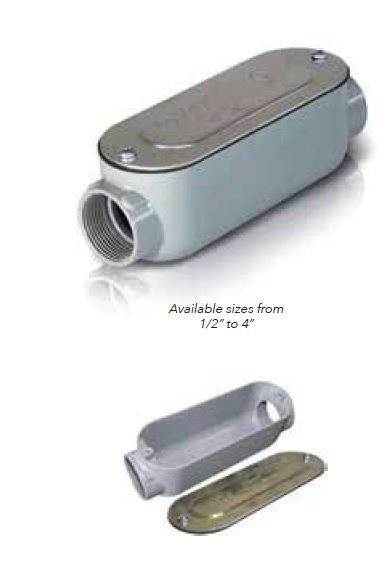
1-¼ Inch C Series Threaded Conduit Body
WM-C-125CG$11.30MSRP: $12.55This 1-¼ inch Threaded Conduit Body (SKU: WM-C-125CG) is expertly designed for weatherproof electrical installations. Crafted from high-quality die-cast aluminum with corrosion-resistant screws, it... -


1-¼ Inch Cover and Gasket for Threaded Conduit Body
WM-CG-125/150$4.55MSRP: $5.071-¼ inches cover and gasket for threaded conduit body. Used to protect and secure electrical wiring connections in outdoor and indoor environments. The cover and gasket provide a weather-tight seal... -


2-Inch Cover and Gasket for Threaded Conduit Body
WM-CG-250/300$12.40MSRP: $13.802 inches cover and gasket for threaded conduit body. Used to protect and secure electrical wiring connections in outdoor and indoor environments. The cover and gasket provide a weather-tight seal for... -

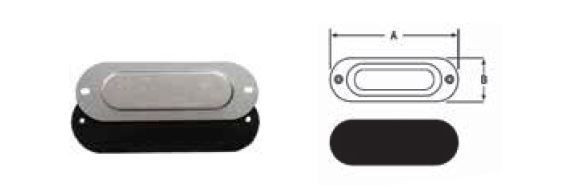
2-½ Inch Cover and Gasket for Threaded Conduit Body
WM-CG-350/400$21.30MSRP: $23.782-½ inches cover and gasket for threaded conduit body. Used to protect and secure electrical wiring connections in outdoor and indoor environments. The cover and gasket provide a weather-tight seal... -

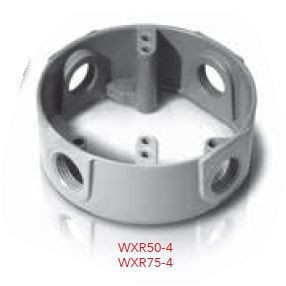
4-Inch Round Weatherproof Extension Box
WM-WXR50-4$10.85MSRP: $12.054 Inch Round Weatherproof Extension Box - WXR50 Series The 4 Inch Round Weatherproof Extension Box, part of the WXR50 series, is a robust solution for outdoor electrical needs. This versatile and... -

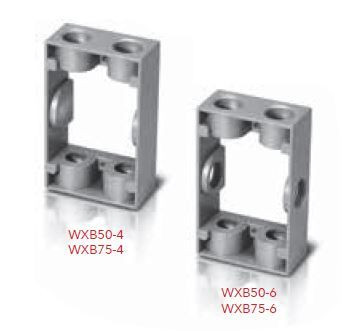
3/4 Inch Six-Outlet Electrical Box Extender
WM-WXB75-6$14.15MSRP: $15.72Elevate Your Electrical Installations with the 3/4 Inch Six-Outlet Electrical Box ExtenderIntroducing the WXB75 series 3/4 Inch Six-Outlet Electrical Box Extender, designed for both residential and... -

Weatherproof Round Cover, 3 Outlet Holes, Black
WM-WRC-3-BK$2.70MSRP: $3.02Durable weatherproof round cover with 3 outlet holes, designed for 4" deep boxes. Ideal for outdoor installations, features a robust black finish. Key Features and Benefits ... -

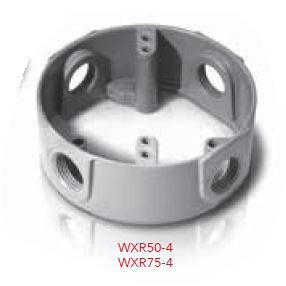
4 Inch Round Weatherproof Extension Box - 4 3/4" Height
WM-WXR75-4$9.85MSRP: $10.964 Inch Round Weatherproof Extension Box The 4-Inch Round Weatherproof Extension Box, part of the acclaimed WXR75 series, is meticulously engineered to tackle the challenges posed by outdoor... -

Versatile One-Gang Deep Blank Device Cover
WM-W1BC$1.25MSRP: $1.40One-Gang Deep Blank Device Cover - White & Bronze Finishes Discover the versatility and superior quality of the W1BC One-Gang Deep Blank Device Cover, an indispensable accessory for electrical... -

Rectangular Weatherproof Electrical Box, 1/2” Trade Size, 2 Outlet Holes, White
WM-WRE-2-WHT$4.15MSRP: $4.61White rectangular weatherproof electrical box, 1/2” trade size, with 2 outlet holes. Ideal for outdoor applications. Key Features and Benefits Weatherproof design for outdoor... -

Weatherproof Round Electrical Box, 1 Outlet Hole, White
WM-WRE-1-WHT$2.70MSRP: $3.02Westgate Manufacturing's Weatherproof Round Electrical Box, part of the WRE series, offers robust protection and adaptability for outdoor electrical installations. Key Features and Benefits ... -

Duplex Vertical, White
WM-W1C-DV-WH$5.55MSRP: $6.19Westgate Manufacturing Duplex Vertical Outlet Cover - White The Westgate Manufacturing Duplex Vertical Outlet Cover is a versatile and essential component for protecting outdoor electrical outlets... -

Westgate 1-Gang Weatherproof Cover, Vertical, Switch, Bronze
WM-W1C-SW-BRZ$8.45MSRP: $9.37Westgate 1-Gang Weatherproof Cover - Bronze The Westgate 1-Gang Weatherproof Cover, SKU: WM-W1C-SW-BRZ, is an ideal solution for protecting your outdoor switch installations. Finished in a durable... -


2 Gang Weatherproof Extension Ring
WM-WXR-2$9.85MSRP: $10.96Durable 2 Gang Weatherproof Extension Ring The 2 Gang Weatherproof Extension Ring, part of the highly reliable WXR series, offers a robust and practical solution for all your electrical installation...