Products List
- Product
- Qty in Cart
- Quantity
- Price
- Subtotal
-

 Featured$184.15MSRP: $204.78SKU: WM-CXU-18-60W-MCTP-SRBRAND: Westgate Manufacturing
Quick Overview
X-Gen Garage Light with Uplight, 18W/30W/45W/60W Power and CCT Adjustable, Sensor Ready (wattage: 18W/30W/45W/60W; lumens: 9900LM; CCT: 30K/40K/50K; voltage: 120-277V; finish: Black; White)
FeaturedFeaturedX-Gen Garage Light with Uplight, 18W/30W/45W/60W Power and CCT Adjustable, Sensor Ready
WM-CXU-18-60W-MCTP-SR$184.15MSRP: $204.78Westgate Manufacturing X-Gen Garage Light Introducing the X-Gen Garage Light from Westgate Manufacturing, a versatile and highly efficient lighting solution ideal for garages and various utility... -


45W LED Parking Garage Canopy, 120-277V, 4000K/5000K, Gen 2
WSD-PGC45W27-D-G2$133.80This 45W LED Parking Garage Canopy Light is an essential part of WSD LED Inc.'s Generation 2 series, designed to offer robust performance and reliability. Key Features and Benefits Selectable color... -


70W LED Parking Garage Canopy, 120-277V, 4000K/5000K, Generation 2
WSD-PGC07W27-D-G2$136.90This 70W LED Parking Garage Canopy from WSD LED Inc. is a part of the Generation 2 series, designed to offer superior illumination solutions for parking structures. It features advanced LED... -

Honya Lighting, Garage Canopy Light, 70W/60W/40W Selectable, 3CCT
HY-HYA-GC-70W/60W/40W-G-CCT$73.80Introducing the versatile and energy-efficient Garage Canopy Light from Honya Lighting, designed to meet a range of lighting needs for parking structures, storage areas, and more. With selectable... -


Builder Series Indoor Sq Canopy Light Selectable 10/20/30W 30/40/50K, Brz
WM-CXES-10-30W-MCTP$51.30MSRP: $57.78Westgate CXES-10-30W-MCTP Multi-Color Temperature LED PanelThe Westgate Manufacturing CXES-10-30W-MCTP LED panel is a premium solution for modern lighting needs. Renowned in the CXES series, this... -


30W/45W/60W Square New Concept Garage and Ceiling Light, White
WM-CXES-30-60W-MCTP-WH$75.55MSRP: $84.78Westgate Manufacturing CXES Series: High-Performance, Versatile Lighting Solution The Westgate Manufacturing CXES Series is a cutting-edge lighting solution designed to meet the diverse needs of... -


55 Watt LED Parking Garage and Canopy Luminaire
WM-CDX-55W$137.00MSRP: $152.78The WM-CDX-55W ceiling light is designed with four rotatable light bars, granting superior control over illumination and significantly enhancing light distribution. Its die-cast aluminum,... -


40W/60W/80W Round New Concept Garage and Ceiling Light with Sensor Emergency Battery Backup
WM-CXER-40-80W-MCTP-SR-EM-WH$199.85MSRP: $222.78Westgate Manufacturing CXER Series: High-Performance Emergency Light The Westgate Manufacturing CXER Series is a top-of-the-line, multi-color temperature selectable, surface round emergency light... -

HEX Series Hex Car Shop Decorative Light Kit with Frame, 96"x190", 534W, 3000K, 120-277V
WM-HEX-96X190-534W-30K-UNIV$416.50MSRP: $461.78The Westgate HEX Series decorative light kit is a statement-making commercial lighting solution designed for high-impact ceilings in garages, studios, and modern workspaces. Built in a 96" x 190"... -


Hex Car Shop Decorative Light Kit With Frame 96in X 190in RGB Rc App
WM-HEX-96X190-RGB-RC-BT$941.40MSRP: $971.78The Westgate HEX Series Hexagon LED Ceiling Light Fixture, 96" x 190", is a striking, modern lighting solution designed to elevate any space with its geometric style and vibrant RGB color options... -


X-GEN 160 LM/W Canopy Light With Uplight 30/50/75/100W 3CCT Sensor Ready, Silver
WM-CXU-30-100W-MCTP-SR-SIL$222.90MSRP: $247.78The Westgate CXU Series X-GEN Garage Light is a versatile, high-performance fixture designed for modern parking garages and commercial spaces. With selectable wattage (30W/50W/75W/100W) and color... -
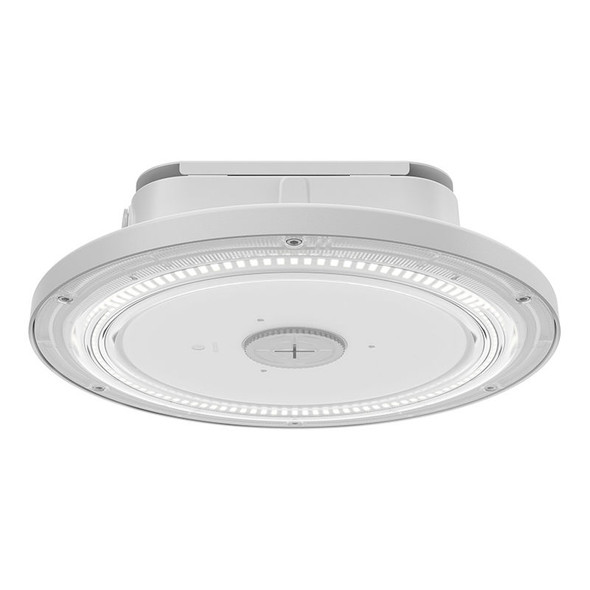

X-GEN 160 LM/W Canopy Light With Uplight 18/30/45/60W 3CCT Sensor Ready, Silver
WM-CXU-18-60W-MCTP-SR-SIL$200.05MSRP: $222.78The Westgate CXU Series X-GEN Garage Light with Uplight is a versatile, high-performance fixture designed for modern indoor parking, garages, and commercial spaces. With selectable wattages... -

Round New Concept Garage and Ceiling Lights, 30W/40W/50W Power, CCT Adjustable, Damp Locations
WM-CXER-30-50W-MCTP-SR-EM$172.70MSRP: $191.78Versatile Round Garage and Ceiling Light Our Versatile Round Garage and Ceiling Light offers unmatched flexibility with adjustable power settings (30W, 40W, and 50W) and customizable color... -

CXER Series, 40W/60W/80W Adjustable, Selectable CCT, Emergency Backup
WM-CXER-40-80W-MCTP-SR-EM$199.85MSRP: $222.78Round New Concept Garage and Ceiling Lights Experience versatile illumination with our Round New Concept Garage and Ceiling Lights, offering adjustable power settings of 40W, 60W, and 80W, as well... -


Round New Concept Garage and Ceiling Lights, 30W/40W/50W, Multi Color Temperature & Multi Power/Wattage (Selectable)
WM-CXER-30-50W-MCTP-SR$81.30MSRP: $90.78Compact Garage and Ceiling Light - Versatile & Efficient Ideal for a range of indoor environments, this compact garage and ceiling light measures 11 1/4” (W) x 3” (H) and offers selectable color... -


Builder Series Indoor Round Canopy Light Selectable 40/60/80W 30/40/50K Sensor Ready, Brz
WM-CXER-40-80W-MCTP-SR$118.45MSRP: $131.78CXER Series Garage and Ceiling Light The versatile CXER Series Garage and Ceiling Light offers exceptional illumination for indoor parking, commercial buildings, schools, warehouses, retail... -


Canopy Garage Light, Angled Beam, Selectable 60/75/90W 30/40/50K 0-10V
WM-CAX-60-90W-MCTP-SR$185.55MSRP: $206.78Westgate CAX Series Angled-Beam Garage Canopy The Westgate CAX Series Angled-Beam Garage Canopy is an industry-leading lighting solution perfectly suited for a wide range of commercial and... -


Canopy Garage Light, Angled Beam, Selectable 40/60/75W 30/40/50K 0-10V
WM-CAX-40-75W-MCTP-SR$155.55MSRP: $172.78Overview of the CAX Series Canopy Light The CAX Series by Westgate Manufacturing is a versatile and durable outdoor lighting solution designed for a variety of applications. Crafted with a die-cast... -


Canopy Garage Light, Angled Beam, Selectable 30/45/60W 30/40/50K 0-10V
WM-CAX-30-60W-MCTP-SR$138.45MSRP: $153.78Westgate Manufacturing CAX Series Angled-Beam Garage Canopy Light Introducing the Westgate Manufacturing CAX Series Angled-Beam Garage Canopy Light, a cutting-edge solution designed to meet all your... -


Builder Series Indoor Round Canopy Light Selectable 30/40/50W 30/40/50K Sensor Ready With EM
WM-CXER-30-50W-MCTP-SR-EM-WH$172.70MSRP: $191.78The Westgate Manufacturing CXER Series offers a revolutionary solution for garage and ceiling lighting. This advanced 30-50W light is equipped with a Multi-CCT and Power Switch, Sensor, and an...