Products List
- Product
- Qty in Cart
- Quantity
- Price
- Subtotal
-

 Featured$7.70MSRP: $8.56SKU: WM-C-100CGBRAND: Westgate Manufacturing
Quick Overview
Westgate 1-Inch C Series Threaded Conduit Body electrical installation accessory for electrical and lighting installations, with finish: Gray, material: Steel.
FeaturedFeatured1-Inch C Series Threaded Conduit Body
WM-C-100CG$7.70MSRP: $8.56Ensure safety and reliability with our premium 1 inch Threaded Conduit Body, complete with cover and gasket, designed for wet location environments. Expertly crafted from die-cast aluminum and... -


C Series Threaded Conduit Body, 3-Inch
WM-C-300CG$82.70MSRP: $91.783-Inch C Series Threaded Conduit Body is designed to facilitate the connection and protection of electrical conduits, offering reliability and ease of installation. Key Features and... -


4-Inch C Series Threaded Conduit Body
WM-C-400CG$128.45MSRP: $142.784-Inch C Series Threaded Conduit Body, designed for easy access to conductors for maintenance and system changes. Key Features and Benefits Allows easy access to conductors for... -


2-Inch LR Series Threaded Conduit Body
WM-LR-200CG$25.74MSRP: $28.782-Inch Threaded Conduit Body - Cover and Gasket Included The WM-LR-200CG 2-inch threaded conduit body is your ideal solution for various wet location applications. Constructed from die-cast aluminum... -


1-½ Inch C Series Threaded Conduit Body
WM-C-150CG$14.15MSRP: $15.721-1/2 Inches Threaded Conduit Body with Cover and GasketEnhance your electrical installations with this high-quality 1-1/2 inches threaded conduit body. Designed for optimal performance in wet... -

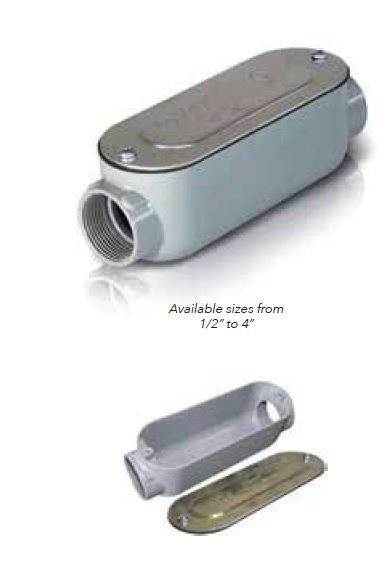
1-¼ Inch C Series Threaded Conduit Body
WM-C-125CG$11.30MSRP: $12.55This 1-¼ inch Threaded Conduit Body (SKU: WM-C-125CG) is expertly designed for weatherproof electrical installations. Crafted from high-quality die-cast aluminum with corrosion-resistant screws, it... -

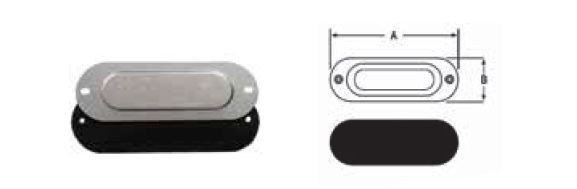
1-Inch Cover and Gasket for Threaded Conduit Body
WM-CG-100$2.70MSRP: $3.021-inch cover and gasket for threaded conduit body. Used to protect and secure electrical wiring connections in outdoor and indoor environments. The cover and gasket provide a weather-tight seal for... -


C Series Threaded Conduit Body, ½-Inch
WM-C-50CG$4.35MSRP: $4.81Compact ½-Inch C Series Threaded Conduit Body, ideal for efficient electrical wiring with robust construction, ensuring easy access and connectivity. Key Features and Benefits Durable construction... -


Armored Ground Clamp, 1/2 Inch, Feed-Through
WM-MVP94-50$7.00MSRP: $7.781/2 Inch Armored Ground Clamp with Feed-Through Ensure secure and reliable grounding for your electrical systems with our 1/2 inch armored ground clamp with feed-through. Its robust construction and... -

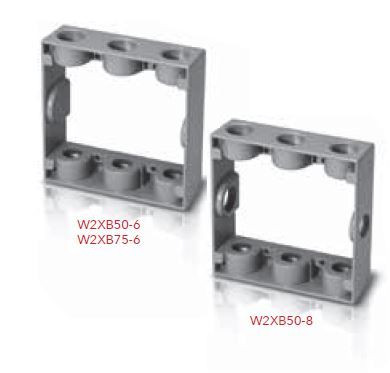
3/4-Inch Trade Size, 6 Outlet Holes
WM-W2XB75-6$27.00MSRP: $30.78Versatile 3/4-Inch Trade Size Conduit Fitting with 6 Outlet Holes This high-quality conduit fitting is specifically designed to handle a wide range of electrical installations, providing robust... -


360 Rotatable Feed-Through Armored Ground Clamp
WM-MVP99-360-2C$19.85MSRP: $22.78360 Rotatable Feed-Through Armored Ground Clamp The 360 Rotatable Feed-Through Armored Ground Clamp (SKU: WM-MVP99-360-2C) is a crucial component for ensuring secure grounding in various electrical... -

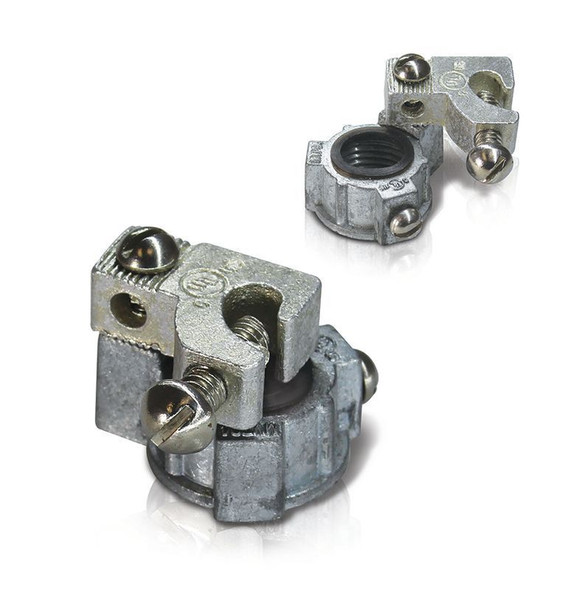
3/4 Inch Armored Ground Clamp with Feed-Through
WM-MVP94-75$7.00MSRP: $7.783/4 Inch Armored Ground Clamp with Feed-Through The 3/4 Inch Armored Ground Clamp with Feed-Through is meticulously engineered to deliver a robust and dependable ground connection for armored... -

Versatile Wire Pulling Grip for Multiple Sizes
WM-MVP99$18.74MSRP: $20.78Efficient and Versatile Wire Pulling Grip - WM-MVP99 Our WM-MVP99 Wire Pulling Grip is the ultimate solution for efficient cable management. Designed to accommodate multiple wire sizes, this tool is... -


Directional Armored Ground Clamp
WM-MVP98$14.15MSRP: $15.72Directional Armored Ground Clamp The Directional Armored Ground Clamp, SKU: WM-MVP98, is your go-to solution for securely grounding armored cables, offering unparalleled reliability and durability... -


4 Inch Threaded Conduit Body, T Series
WM-T-400CG$165.55MSRP: $184.78The 4-inch Threaded Conduit Body from the T Series is a robust and essential component for electrical installations, providing excellent protection and connectivity for wiring systems. Key Features... -


3-1/2 Inch Threaded Conduit Bodies, T Series, Die-Cast Aluminum, Gray Powder Coat Finish, UL Listed
WM-T-350CG$195.55MSRP: $217.78Introducing the 3-1/2 Inch T Series Threaded Conduit Body, a robust and reliable solution for electrical conduit systems. Crafted from durable die-cast aluminum with a gray powder coat finish,... -


2 Inch Threaded Conduit Body, Die-Cast Aluminum, Gray Powder Coat Finish
WM-T-200CG$27.00MSRP: $30.78The 2 Inch Threaded Conduit Body is a durable and reliable component in electrical systems, offering robust protection and connectivity for electrical conduits. Part of a versatile series, it... -


Threaded Conduit Body, T Series, 1-1/4 Inch
WM-T-125CG$15.74MSRP: $17.781-1/4 Inch T Series threaded conduit body, UL listed, featuring a die-cast aluminum construction with a gray powder coat finish for durability and corrosion resistance. Key Features and... -


1 Inch Threaded Conduit Body, Die-Cast Aluminum, Gray Powder Coat Finish, Clear Anodized Cover
WM-T-100CG$9.85MSRP: $10.961 Inch Threaded Conduit Body made from die-cast aluminum, available in gray powder coat finish, offers NEMA 3R weather protection with corrosion resistant screws. Key Features and Benefits ... -


3/4 Inch Threaded Conduit Bodies, T Series, Die-Cast Aluminum, Gray Powder Coat Finish
WM-T-75CG$7.00MSRP: $7.783/4 inch threaded conduit bodies in T Series are crafted from robust die-cast aluminum, ensuring durability and reliability in various installations. This product is a part of the manufacturer's...