Get 12% OFF Automatically When You Spend $2,000 or More No Code Required

FREE SHIPPING ON ORDERS OVER $1K

EXPERT LIGHTING ADVICE

VALUE ENGINEERED QUOTES

ROI ANALYSIS AND DESIGN SUPPORT
Retail Lighting

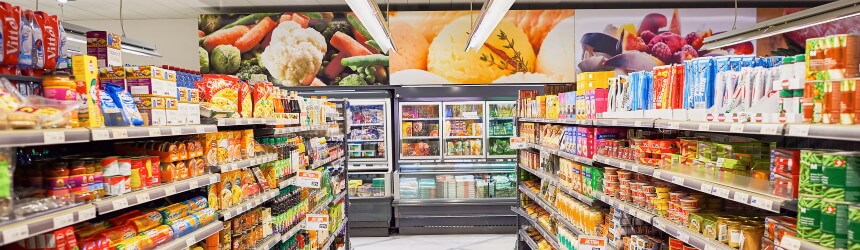
Retail lighting in a commercial store environment

Lighting plays a major role in how customers experience a retail space. Beyond basic visibility, the right lighting design influences product perception, customer flow, dwell time, and purchasing behavior. A well-lit store helps customers navigate safely, highlights merchandise effectively, and reinforces brand identity.

This guide explains how to plan lighting for common retail areas, choose fixture types that contractors actually install, and balance aesthetics with performance, efficiency, and maintainability.

Pro Tip: If the store sells apparel, cosmetics, jewelry, or anything color-sensitive, prioritize high CRI lighting (often 90+). It helps products look more accurate and reduces customer dissatisfaction after purchase.

Typical Retail Areas and Activities

Retail environments are not uniform spaces. Each area serves a different purpose and benefits from a specific lighting approach. Use this section to build a simple lighting plan, then refine it with fixture selection, aiming, and controls.

Sales Floor and Merchandise Aisles

The sales floor needs consistent, comfortable illumination that supports browsing without glare. Vertical illumination matters as much as horizontal lighting because many products sit on shelves or wall displays.

  • Goals: even ambient lighting, good vertical illumination, minimal shadows in aisles
  • Common fixtures: LED troffers or LED panel lights (grid ceilings), recessed LED downlights, linear LED surface or pendant fixtures
  • Notes: use wider distributions for general areas and focus on glare control near eye-level shelving
736

Feature Displays and End Caps

Feature displays and end caps should stand out from surrounding ambient lighting. Accent lighting creates visual hierarchy and draws attention to promotional or high-margin items.

  • Goals: higher light levels than ambient, controlled beam spread, flexibility for merchandising changes
  • Common fixtures: LED track heads, adjustable recessed accent downlights, LED spotlights
  • Notes: aim lights to highlight vertical surfaces and product faces, not the floor
838

Checkout and Point-of-Sale

Checkout areas should feel bright and welcoming for customers and staff. Lighting should support facial recognition and reduce glare on glossy counters, screens, and pin pads.

  • Goals: balanced brightness, reduced glare, comfortable color temperature
  • Common fixtures: recessed downlights, cylinders, decorative pendants, small linear fixtures
  • Notes: avoid harsh spotlights aimed directly at the counter surface

Fitting Rooms

Fitting room lighting can directly impact purchasing decisions. Poor lighting can distort colors and skin tones. Prioritize vertical light around mirrors and high color quality.

  • Goals: high CRI, flattering vertical illumination, reduced shadows on face and clothing
  • Common fixtures: linear wall lighting, wall sconces, recessed downlights with wide distribution
  • Notes: place lighting to the sides of mirrors when possible, not only overhead
816

Storefront and Window Displays

Window displays serve as the visual invitation into the store. Lighting should remain compelling at night and adaptable during daytime conditions. The goal is contrast and focus, not simply maximum brightness.

  • Goals: high contrast vs interior ambient lighting, directional control, day and night adaptability
  • Common fixtures: track lighting, adjustable accent downlights, small spotlights, linear fixtures for signage
  • Notes: use separate controls or schedules for window lighting to support after-hours visibility

Retail Lighting Layers

Most retail projects use a layered approach. Each layer has a job, and the combination is what makes the store feel intentional and easy to shop.

Ambient Lighting

Ambient lighting provides overall illumination throughout the store. It establishes baseline brightness and visual comfort and supports safe navigation.

Accent Lighting

Accent lighting highlights specific products, walls, and displays. It is typically brighter than ambient lighting and relies on controlled optics and aiming to create focus.

Task and Detail Lighting

Task lighting supports detailed tasks like checkout operations, product inspection, and back-of-house work areas. It also helps eliminate shadowy corners and improves visibility in high-activity zones.

Choosing Color Temperature and Color Quality

Color temperature affects mood, clarity, and product appearance. Color quality (CRI) affects how accurately products look compared to daylight.

  • 3000K to 3500K: warm and inviting, common in apparel and specialty retail
  • 3500K to 4000K: neutral and clear, common in general retail
  • High CRI (often 90+): recommended for apparel, cosmetics, jewelry, and fitting rooms

When possible, keep color temperature consistent within the main sales floor, then use accent lighting and controls to create hierarchy rather than mixing many different CCTs.

LED Lighting in Retail

LED lighting is the standard for modern retail because it supports efficient ambient lighting, precise accent lighting, and flexible controls with longer service life.

  • Lower energy consumption and reduced heat compared to older sources
  • Longer lifespan, which can reduce lift rentals and maintenance calls
  • Better optical control for accents and displays
  • Strong compatibility with dimming, zoning, and scheduling

Creating Visual Hierarchy Through Contrast

Contrast is one of the most effective retail lighting tools. Not every area should be lit at the same level. Use contrast to guide attention to feature displays, promotional zones, and premium products.

  • Keep ambient lighting consistent across aisles and circulation paths
  • Use higher light levels and tighter beams to emphasize priority displays
  • Avoid over-lighting every display, which reduces the effect of contrast
Design Tip: A practical starting point is to make accent areas about three to five times brighter than the surrounding ambient. Adjust based on ceiling height, beam angles, and how reflective the merchandise is.

Product-Focused Lighting and Backlighting

Backlighting can highlight shelving, graphics, and displays without the harsh look that can come from narrow-beam accents. It is especially useful for lower shelves that are often overlooked.

  • Common uses: shelving, under-shelf lighting, signage, feature walls
  • Common fixtures: LED tape lighting and LED strip lighting with appropriate drivers and mounting channels
  • Notes: plan access to drivers and wiring so maintenance does not require disassembling displays
735

Retail Lighting Design Guidelines and Considerations

Exact requirements vary by store layout, ceiling height, finishes, and merchandise. These ranges are common starting points for planning and specification.

  • General sales floor: 30 to 50 foot-candles (approximately 300 to 500 lux)
  • Accent displays: about 3 to 5 times the ambient light level
  • Checkout areas: 30 to 40 foot-candles (approximately 300 to 400 lux)
  • Fitting rooms: 40 to 50 foot-candles (approximately 400 to 500 lux), high CRI recommended

Additional design considerations:

  • Glare control for glossy packaging, screens, and polished floors
  • Fixture spacing and optics based on ceiling height and aisle widths
  • Separate circuits and control zones for ambient and accent systems
  • Maintainability, especially in high ceilings and hard-to-access areas

Controls and Flexibility in Retail Lighting

Controls add flexibility and long-term value, especially in retail where layouts and merchandising change regularly.

  • Zoning: separate ambient lighting from accent lighting so displays can change without reworking the whole store
  • Dimming: adjust lighting for promotions, seasonal setups, and brand preference
  • Scheduling: keep window displays and storefront areas active after hours when desired
  • Occupancy sensors: ideal for stock rooms, offices, and back-of-house spaces

Plan Your Retail Lighting Upgrade

A successful retail lighting design balances performance, presentation, and efficiency. Whether upgrading an existing store or planning a new space, selecting the right fixture types and planning the lighting layers early can reduce long-term costs and improve the customer experience.

RelightDepot.com supports contractors, facility managers, and building owners with fixture selection and value-engineered solutions for retail lighting projects.

Contact Us
Phone: 888-548-6387
Email: [email protected]

WE CAN HELP

Talk to an Expert Now, Call (888) 548-6387

If you don't see what you're looking for, don't hesitate to contact us to discuss your needs with one of our lighting experts. We would be happy to walk you through all of the design considerations and help you choose the best type of lighting for your application.