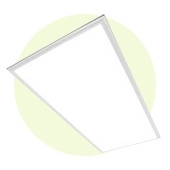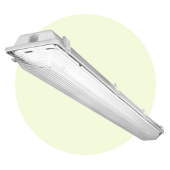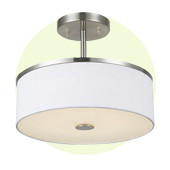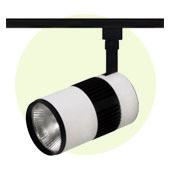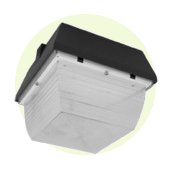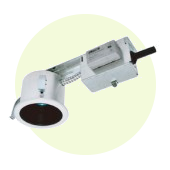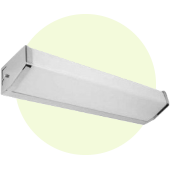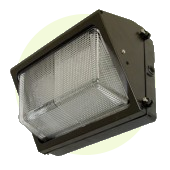
A quick-service remodel or new build almost always runs on a franchise lighting standard or a designer's spec, not a blank slate. Where the electrical contractor's numbers actually matter is bidding it accurately, sourcing an approved equal when a specified line is on backorder, and getting six or seven zones inspected and turned on before the store reopens. This guide breaks down what each zone in a fast food restaurant needs, the fixtures that fit, and the code and rebate details that come up on almost every one of these jobs.
Lighting Zones in a QSR Build or Remodel
A typical quick-service location has six zones, and each one runs on a different set of requirements for foot-candles, fixture rating, and controls. Getting the zone wrong, using a decorative fixture rated for dry dining space in a wash-down kitchen, for example, is the kind of mistake that fails inspection or turns into a callback within a year.
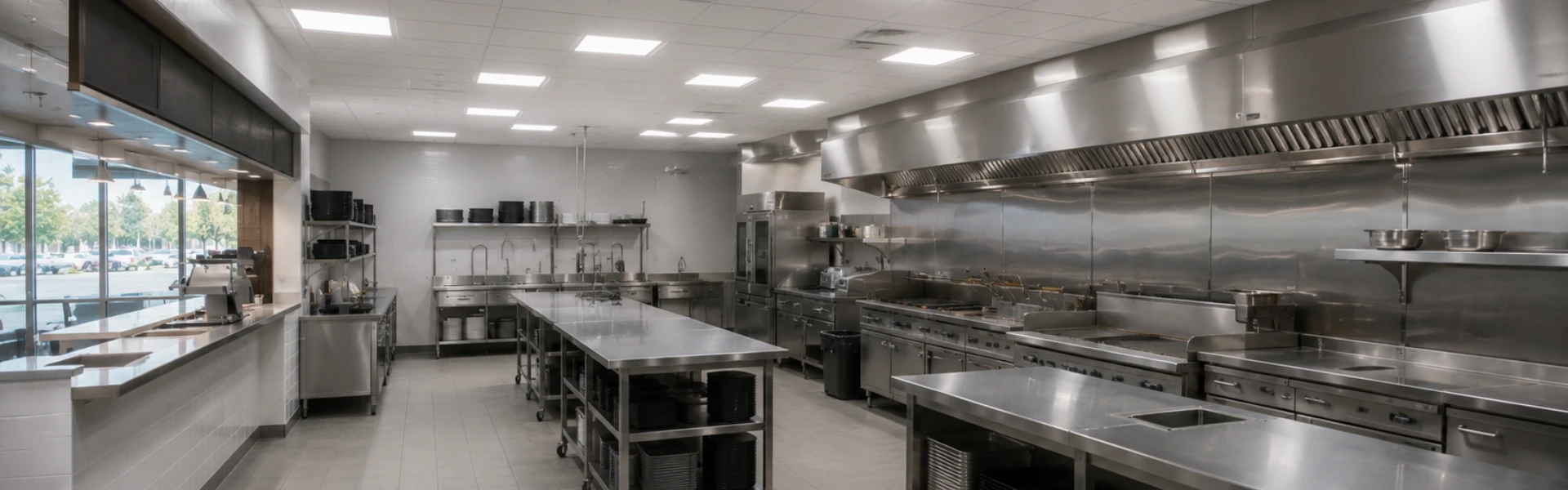
- Kitchen and food prep: high, even light levels in a fixture rated for grease, steam, and regular hose-down cleaning.
- Dining room: lower ambient levels with decorative or accent fixtures per the brand standard, plus dimming zones where the spec calls for them.
- Drive-thru lane and canopy: weather-rated fixtures bright enough for order accuracy and safe vehicle stacking at night.
- Front counter and POS: even, glare-free light for order accuracy and card transactions.
- Restrooms: full, shadow-free coverage that reads clean to both customers and the health inspector.
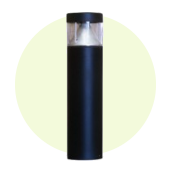
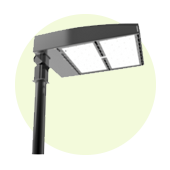
- Exterior and parking: perimeter and lot coverage for after-dark safety and to meet the property's security standard.
All six zones are covered in detail below, with the fixtures RelightDepot stocks for each one. For the full Hospitality Lighting category, including other restaurant and lodging guides as they're published, start there.

Kitchen and Food Prep Lighting
Kitchen fixtures take the most abuse in the building: grease, steam, hot line heat, and a hose-down at close. That rules out standard troffers and points toward sealed, gasketed options.
Pro Tip
If the spec calls for a specific vapor-tight line and it's on backorder, check for a DLC-listed equal with a matching IP rating before submitting a substitution request. It moves faster through approval than a product with no DLC listing on file.
Dining Room Lighting
Dining room fixture selection and dimming zones are usually locked in by the brand's design standard. The contractor's job is installing what's specified, wiring the dimming zones correctly, and flagging any conflict with the reflected ceiling plan before rough-in, not picking the fixture family.
Drive-Thru Lane and Canopy Lighting
Drive-thru lighting has to hold up outdoors, run unattended for years, and stay bright enough for order accuracy and safe stacking after dark. Canopy fixtures see the most run-hours of any fixture on the property, often 12 to 24 hours a day, so fixture life and DLC-listed efficiency matter more here than almost anywhere else on site.
- LED canopy lights, surface mount or recessed depending on the canopy structure. Browse canopy lights.

Front Counter, Restrooms, and Back-of-House
POS and restroom lighting share a common requirement: even coverage with no dark corners or glare, since both areas get inspected regularly, one by the customer, the other by the health department.
Exterior, Parking Lot, and Security Lighting
Exterior fixtures carry the security load for the property after close and are usually the first thing an area manager notices when a fixture starts to fail. Photocell or 0 to 10V dimming controls tied to a schedule keep energy use down without leaving dark spots at the perimeter.
Foot-Candle Targets, Color Temperature, and Code Notes
The numbers below are common industry starting points for quick-service lighting design. Treat them as a reference, not a substitute for the project's actual spec: confirm final foot-candle targets against the current IES Lighting Handbook or the franchise's own lighting standard before bidding controls or fixture quantities.
| Zone |
Typical foot-candle range |
Common CCT |
| Kitchen and prep |
50 to 70 fc |
4000K to 5000K |
| Dining room |
20 to 30 fc |
3000K to 3500K |
| Drive-thru canopy |
10 to 20 fc |
4000K to 5000K |
| Restrooms |
20 to 30 fc |
3000K to 3500K |
| Parking lot |
2 to 5 fc |
4000K to 5000K |
A few things worth confirming before the order goes in:
- Controls: photocells on exterior fixtures, occupancy sensors in restrooms and storage, dimmers in dining where the spec calls for them.
- DLC listing: most utility rebate programs require a fixture to appear on the current DesignLights Consortium qualified products list. Confirm the specific utility's rebate terms before assuming a fixture qualifies.
- Emergency and egress lighting: battery-backed emergency fixtures and exit signage are typically required under NFPA 101 and the local building code. Confirm the exact requirement with the local AHJ, since egress rules vary by jurisdiction and occupancy classification.

Get Fixtures Quoted for Your QSR Project
If the spec is open, or a line item needs a substitution, RelightDepot can cross-reference the fixture list, quote an approved equal, and turn around pricing fast for single-store or multi-unit rollout orders. Call 888-548-6387, email [email protected], or submit a quote request.