Hotel corridors run 24/7 and must satisfy NFPA 101 egress requirements, ADA accessibility standards, and energy codes while still making guests feel welcome. Getting the fixture type, light level, and control strategy right for each space keeps the property safe, reduces liability, and cuts operating costs. On new construction the spec usually locks in fixture type and CCT, but corridors, stairwells, and back-of-house areas each carry their own submittal and inspection requirements, and a renovation adds the wrinkle of keeping rooms occupied during the work. For the broader picture, see our hospitality lighting applications guide.
Overview of Hotel Corridor Lighting Requirements
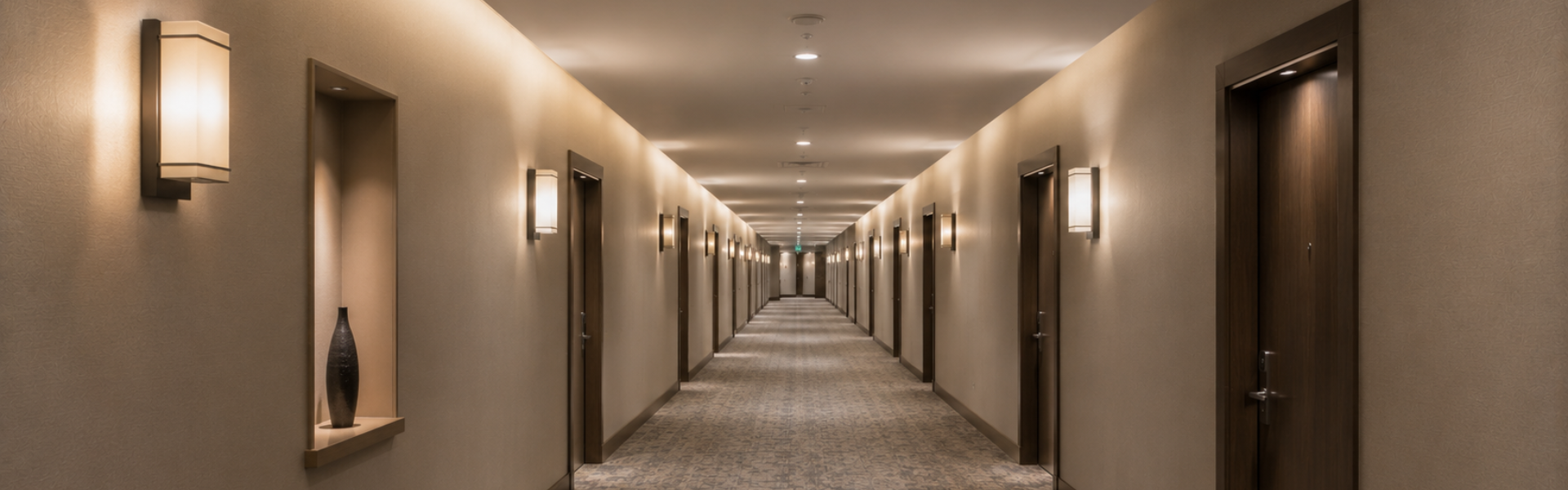
Hotel corridors represent one of the most regulated spaces in hospitality design. They must simultaneously support emergency evacuation, provide clear wayfinding, comply with local building codes (IBC, NFPA 101 Life Safety Code), meet the ADA Standards for Accessible Design, and operate continuously with energy efficiency in mind. The lighting strategy differs significantly from typical commercial office corridors because hotels operate around the clock, serve guests unfamiliar with the layout, and must balance code compliance with aesthetic appeal.
Proper corridor lighting prevents guest injuries, reduces liability exposure, and demonstrates professional management. Under-lit corridors create wayfinding challenges and safety concerns; over-lit corridors waste energy and can feel institutional rather than welcoming. The balance requires careful selection of fixture types, light levels, control strategies, and emergency lighting systems.
Recommended Surface Mount Ceiling Lights
737
Browse all Surface Mount Ceiling Lights

Typical Hotel Areas and Their Lighting Challenges
Hotels contain diverse corridor and common spaces, each with distinct lighting requirements and operational challenges. Understanding these differences is essential for designing a cohesive lighting strategy that addresses specific use patterns and code mandates.
Guest room corridors
These hallways connect guest rooms to elevators and stairs. They must provide enough light for guests to navigate safely, read door numbers, and find emergency exits, but not so much that light spills under guest room doors during sleeping hours. IES guidance for hotel corridors typically targets 10 to 20 foot-candles, though your lighting designer's calculations and local code take precedence. NFPA 101 requires 1 foot-candle minimum along the path of egress (consult your AHJ for the adopted edition). Many properties install dimmable or motion-sensor controls to reduce energy use during off-peak hours while maintaining code compliance.
Elevator lobbies
Elevator lobbies are transitional spaces where guests pause before boarding. They require higher light levels (30 to 50 foot-candles; verify against IES RP-3 and your local code) to support reading floor directories, checking device maps, and evaluating elevators. Elevator lobbies are also high-traffic gathering points where lighting significantly influences the guest's perception of cleanliness and property quality.
Stairwells
Stairwells are critical emergency egress routes. NFPA 101 mandates a minimum of 1 foot-candle on each tread and landing (consult your AHJ for the adopted edition); most hotel projects design well above that floor, typically 10 to 20 foot-candles, for a real safety margin. Many codes require that stairwell lighting remain operational during power outages via emergency battery-backed systems. Stairwell lighting must prevent shadows on steps, which create tripping hazards and visual disorientation.
Fitness centers and pool areas
These wet environments demand moisture-resistant, corrosion-resistant fixtures. For fitness and pool environments, look for fixtures rated IP65 or higher and UL listed for wet location, with tempered or polycarbonate lenses that resist chlorine degradation. Fitness areas require 50 to 75 foot-candles for safe equipment operation; pool decks require 30 to 50 foot-candles and must use vapor-tight or fully sealed fixtures to withstand chlorine (and, in resort properties, salt-pool) exposure and humidity. Many properties install recessed or semi-recessed wet-rated fixtures that minimize maintenance while delivering reliable performance.
Conference and meeting rooms
Meeting spaces require flexible, dimmable lighting to support both daylight presentations and evening social events. Typical targets are 30 to 50 foot-candles for general illumination, with additional task lighting at presentation areas. Wall sconces and indirect ceiling fixtures help reduce screen glare during video presentations. Specs for meeting rooms often call for tunable-white fixtures (3000K to 5000K) to support warm evening events and cool daytime task lighting. If the spec is open on CCT, that range covers the most common hotel meeting room use cases.
Back-of-house areas (laundry, storage, loading)
These spaces receive less guest exposure but require sufficient lighting for staff safety and operational efficiency. Laundry and storage areas typically need 30 to 50 foot-candles; loading docks need 20 to 30 foot-candles. LED high bays and surface-mount fixtures are common choices because they deliver reliable light at lower operating costs and reduced heat generation.
Wall Sconces for Hotel Corridors
820
Browse all Wall Sconces
Benefits of Proper Lighting in Hotel Corridors and Common Areas
Strategic lighting investment delivers measurable benefits across safety, operational, financial, and brand dimensions. Hotels that prioritize corridor and common area lighting realize returns that extend far beyond code compliance.
Safety and risk mitigation: Properly lit corridors reduce guest trips, falls, and injuries. Well-designed emergency egress lighting supports rapid, safe evacuation during emergencies. Reduced liability claims and insurance premiums offset lighting investment.
Guest experience and perception: Guests form their first impression of a property within moments of arrival. Well-lit lobbies and corridors signal cleanliness, professionalism, and attention to detail.
Operational efficiency: LED technology and occupancy controls can cut energy consumption by 40% to 70% compared to legacy incandescent or fluorescent systems, depending on the existing system and control strategy, per the DOE Solid-State Lighting program. Reduced HVAC load (LEDs generate less heat) further lowers utility bills.
Maintenance and durability: LED fixtures are commonly rated for 25,000 to 50,000 hours (check the spec sheet for the specific product), reducing lamp replacement frequency and labor costs. Sealed, corrosion-resistant fixtures, especially in wet areas, avoid the costly downtime and guest disruption caused by fixture failure.

Recommended Fixtures by Area
Fixture selection should balance light output, durability, maintenance, and aesthetic alignment with property style. The following recommendations address each major area type and highlight where specific fixture categories excel.
Guest room corridors and hallways
Wall sconces and surface-mount ceiling lights are the preferred choice for guest corridors. Sconces deliver soft, diffuse light that creates a welcoming feel while minimizing glare. Recessed downlights work well in modern or renovated properties but can create shadows if spacing is too wide. For traditional or upscale properties, decorative sconces in bronze, brass, or crystal finishes reinforce brand identity; verify finish availability and lead time early in the procurement process. Install fixtures on motion sensors or daylight sensors to reduce energy use when corridors are unoccupied.
Stairwells and emergency egress routes
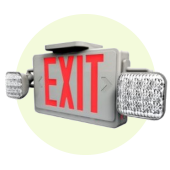
Exit and emergency lighting fixtures are non-negotiable in stairwells. Every stairwell must include clearly marked EXIT signs with integrated lighting and emergency battery backup capable of running for a minimum of 90 minutes per NFPA 101 (consult your AHJ for the adopted edition). Step lighting or edge lighting enhances visibility on stairs without creating glare. For life safety compliance, use fixtures specifically labeled for emergency egress; general-purpose fixtures do not meet code.
Elevator lobbies
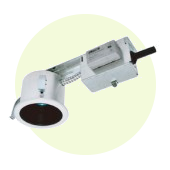
Recessed can lights or semi-recessed fixtures are standard in modern elevator lobbies because they deliver the higher light levels needed for reading and wayfinding. Decorative semi-flush fixtures work in traditional properties. Plan even spacing to eliminate dark spots and shadows. Install dimmers so light levels can be adjusted for evening ambiance or day-part scheduling.
Fitness centers and pool areas
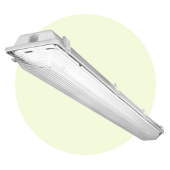
Wet-rated fixtures are mandatory in fitness and pool environments. Look for fixtures rated IP65 or higher and UL listed for wet location. Recessed wet-rated downlights work well in fitness centers; semi-recessed or wall-mounted vapor-tight fixtures are preferred around pool decks to resist salt spray and humidity. Choose fixtures with low-maintenance gaskets and stainless steel or coated hardware. LED technology is ideal for wet areas because it generates minimal heat and operates reliably in high-humidity conditions.
Pro tip
Wet-rated fixtures with non-stock finishes are usually the longest lead-time item on a hotel common-area bid. Get the pool deck and fitness center fixture count locked and the order placed early, and confirm the DLC listing tier before you finalize the fixture list if the project is chasing a utility rebate. Not every wet-rated line carries the same DLC tier, and a non-listed substitution can knock the whole job out of the rebate.
Conference and meeting rooms
Dimmable recessed fixtures or indirect surface-mount fixtures provide the flexibility that meeting spaces demand. Pair general illumination with task lighting at presentation areas. Wall sconces can deliver accent lighting or supplement general light during evening events. Install fixtures on separate circuits so light levels can be adjusted independently for different room setups. Tunable-white fixtures (3000K to 5000K) cover the most common hotel meeting room use cases where the spec gives flexibility on CCT.
Back-of-house areas
Utilitarian back-of-house spaces benefit from durable, high-output fixtures that minimize maintenance. LED high bays excel in laundry, storage, and loading areas because they deliver 50+ foot-candles, last for decades, and reduce heat load in already-warm spaces. Surface-mount industrial fixtures provide straightforward installation and reliable performance. Motion sensors are highly effective in storage areas to eliminate unnecessary lighting when spaces are unoccupied.
Occupancy Sensors for Corridors
974
Browse all Occupancy Sensors
Design Guidelines and Lighting Considerations
Beyond fixture selection, strategic design decisions shape lighting performance, energy efficiency, and guest perception. These guidelines help architects, designers, and facility managers create cohesive, code-compliant lighting systems, and give the contractor bidding or installing the job a clear picture of what the spec is trying to achieve.
Light levels and IES recommendations
The Illuminating Engineering Society publishes recommended illuminance levels for hospitality spaces. The following ranges are commonly referenced; tie your final targets to IES RP-3 and your lighting designer's photometric calculations rather than these ranges alone. Guest corridors: 10 to 20 foot-candles. Elevator lobbies: 30 to 50 foot-candles (verify against IES RP-3). Stairwells (treads): 10 to 20 foot-candles design target, 1 foot-candle NFPA 101 code minimum. Fitness centers: 50 to 75 foot-candles. Pool decks: 30 to 50 foot-candles. Conference rooms: 30 to 50 foot-candles. Back-of-house: 30 to 50 foot-candles.
Color temperature and guest comfort
Color temperature affects how guests perceive cleanliness and comfort, and it is typically set in the specification. Warm white (2700K to 3000K) creates an inviting, residential feel suitable for lobbies and guest corridors. Cool white (4000K to 5000K) provides clarity and highlights details, making it appropriate for elevators, stairs, and back-of-house. Many upscale properties use adjustable color temperature in lobbies so that light can transition from warm in the evening to cool during busy daytime periods.
Control strategies and energy management
Hotels operate 24/7, making energy management critical. Occupancy sensors reduce lighting in guest corridors during low-traffic periods (late night, early morning). Daylight sensors in lobby areas capitalize on natural light and reduce fixture load. Smart controls integrated with the property management system allow for pre-programmed lighting schedules aligned with check-in and check-out times, events, and day-part operations. Motion sensors in back-of-house eliminate lighting waste in rarely occupied storage and mechanical rooms.
ADA compliance and accessibility
The ADA Standards for Accessible Design require that lighting in corridors, common areas, and accessible routes be uniform and glare-free. Avoid high-contrast light and shadow patterns that can disorient guests with low vision. Ensure that emergency exit signs are clearly illuminated with sufficient contrast. Under Section 307.2, wall sconces and other fixtures mounted between 27 and 80 inches above the floor must not protrude more than 4 inches into the accessible route, and overhead fixtures must maintain 80 inches of clearance above floor level. A sconce with a deep decorative arm can violate this even when its mounting height looks fine on the elevation drawing, so check the fixture's actual projection, not just the mounting height.
Emergency lighting and exit signs
Every stairwell, emergency exit, and egress path must be clearly marked and illuminated per NFPA 101. Exit signs must be visible from any point in the corridor. Battery-backed emergency lighting must provide at least 1 foot-candle along the egress path for 90 minutes in the event of power failure (consult your AHJ for the adopted edition). Test emergency systems monthly per code requirements.
Mounting, spacing, and layout
Spacing affects light uniformity and prevents dark spots. For corridors, space wall sconces 8 to 12 feet apart and recessed downlights 8 to 10 feet apart depending on mounting height and light output. In stairwells, ensure step edges are clearly delineated by light. In wet areas, mount fixtures at least 6 feet above the floor to prevent water spray exposure and allow cleaning underneath.
Submittals, substitutions, and lead time
Where the spec names a specific fixture, brand, or CCT, submit a formal substitution request before ordering an equal; swapping without sign-off is the fastest way to get a change order rejected. Where the spec leaves CCT or fixture brand open, source and quote to the performance criteria instead of guessing at a preference. Emergency and wet-rated fixtures typically carry the longest lead times on a hotel common-area job, so lock those counts and place those orders first, and confirm DLC listing tier early if the project is chasing a utility rebate.

Plan Your Hotel Lighting Project
Bidding a hotel corridor package means matching the spec on fixture type, CCT, and emergency egress compliance while keeping lead times tight enough to hit the general contractor's schedule. RelightDepot carries corridor, stairwell, and wet-location fixtures for hospitality projects and can turn a quote around fast when a substitution is on the table.
Explore our Hospitality Lighting Applications page for curated product categories and specifications. Ready to upgrade your property's lighting? Contact us, call 888-548-6387, or email [email protected] for a custom recommendation.