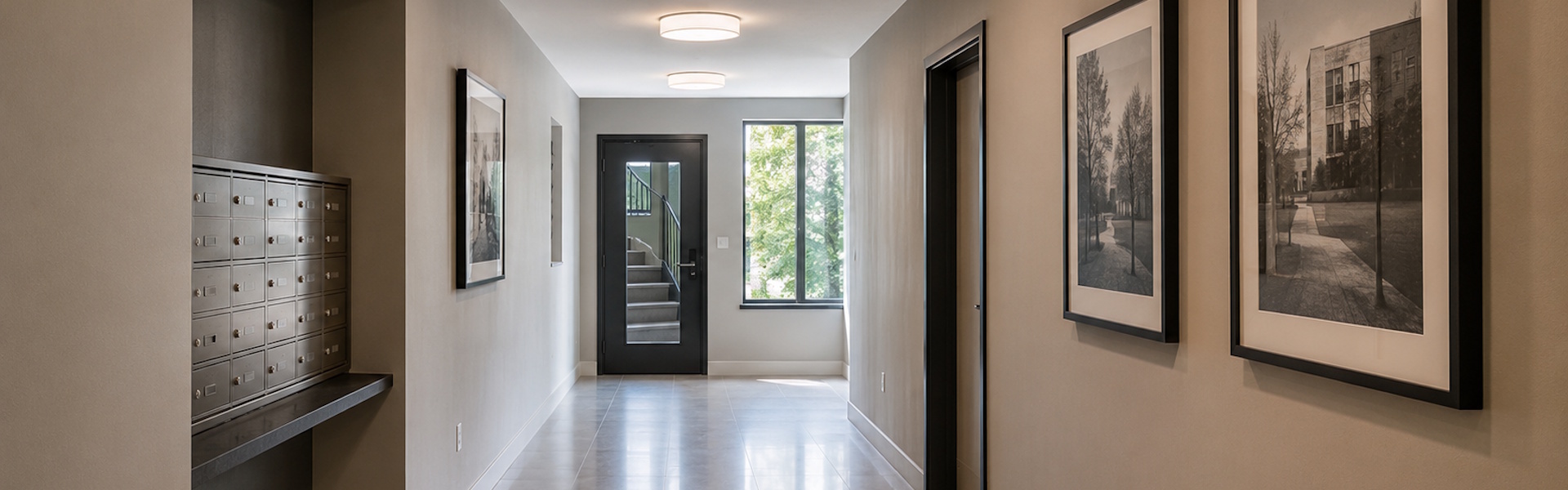
Lighting is one of the highest-impact upgrades a property manager, electrical contractor, or building owner can make to a residential or multi-family property. The right fixtures improve tenant comfort, reduce energy costs, support code compliance, and cut long-term maintenance expenses. This guide covers the key areas of residential and multi-family buildings, from individual unit interiors to common corridors and exterior site lighting, with fixture recommendations matched to each application.
Interior Lighting by Room
Each room in a residential unit has distinct lighting requirements. The fixtures you specify for a kitchen differ from what works in a bedroom or bathroom. Getting the right mix of ambient, task, and accent lighting in each space reduces tenant complaints and keeps maintenance calls down.
Kitchen Lighting
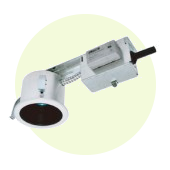
Kitchens benefit from layered lighting: bright, even ambient light for food prep and task lighting at the countertop level. Recessed can lights and downlights are the standard choice for kitchen ceilings in both single-family homes and multi-unit builds. CCT-selectable fixtures in the 2700K to 5000K range give property managers flexibility without stocking multiple SKUs. Dimmer compatibility is worth specifying from the start, as tenants increasingly expect it as a baseline feature. Mobile dimming systems also make it easy to adapt kitchen lighting for different settings and times of day.
Living Areas and Common Interior Spaces
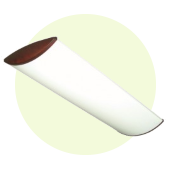
Living rooms, dining areas, and shared lounge spaces handle the widest variety of uses. Reading, entertaining, and media viewing all call for different light levels and moods. A mix of decorative ceiling fixtures, wall sconces, and floor lamp circuits gives residents and building operators the most flexibility. For unit interiors, flush-mount and semi-flush fixtures in a brushed-nickel or white finish install cleanly and hold up to tenant turnover cycles.
Multi-family common rooms and amenity lounges benefit from dimming controls that allow staff to adjust the environment for different events. Fan controls and combination dimmer-fan switches are a practical addition for units and common areas with ceiling fans. Combination fan-light switches simplify the wall-plate footprint and are among the most frequently specified controls in multi-family retrofits, particularly in markets with year-round cooling loads.
Decorative Ceiling Lights for Multi-Family Spaces
835
Browse all Decorative Ceiling Lights
Bathroom Lighting
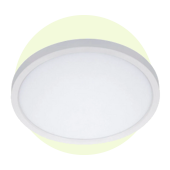
Bathroom lighting in residential and multi-family settings must balance function with safety. Wet-location rated fixtures are required over tub and shower zones per NEC Article 410. For vanity areas, fixtures with a CRI of 80 or higher render colors accurately and reduce complaints about grooming and makeup lighting. Dimmable fixtures add comfort value in unit bathrooms. Disc lights and wafer lights are a practical fit for low-ceiling bathroom installations where a standard recessed housing will not fit, and they install with minimal drywall work during a retrofit.
Home Office and Study Areas
Home office and flex spaces are a standard feature in newer multi-family builds and a common value-add in retrofits. Tenants working from home need even, glare-free illumination that reduces eye fatigue over long work sessions. LED fixtures with a CRI of 90 or higher and a CCT in the 3500K to 4000K range closely match daylight quality and support focus. Recessed downlights on a dimmer circuit are the preferred approach for dedicated home office buildouts, and they pair well with under-shelf task lighting strips at the desk level.
Bedroom Lighting
Bedroom lighting in multi-family units should cover both ambience and practicality. A dimmable overhead fixture with a warm color temperature in the 2700K to 3000K range handles the full span from morning dressing to evening wind-down. Slim wafer downlights are a popular choice for bedroom retrofits because they mount with no attic access and use an adapter plate over the existing junction box, reducing labor time per unit significantly. Switched outlet circuits at each bedside position support reading lamps without requiring additional ceiling rough-in.
Closets and Storage Spaces
Closets are consistently underlit in older multi-family stock, and upgrading them is a low-cost, high-satisfaction improvement. A single LED surface-mount or a recessed downlight over the rod-and-shelf area makes a tangible difference in resident experience. NEC Section 410.16 restricts incandescent pendants in clothes closets; LED surface-mount fixtures are fully compliant. Motion-sensor switching on closet fixtures reduces energy waste in individually metered units and is easy to add during any unit lighting refresh.
Hallways, Corridors, and Common Area Lighting
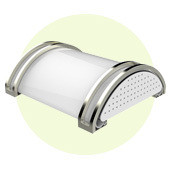
Corridors and common hallways in multi-family buildings are high-traffic areas where lighting directly affects both safety and perceived property quality. Occupancy sensors on corridor fixtures reduce energy costs substantially without sacrificing safety, and they satisfy ASHRAE 90.1 requirements for automatic shutoff in most multifamily corridor configurations. Wall sconces on stairwells, elevator lobbies, and mail areas add decorative continuity while providing required egress illumination. Exit signs and emergency lighting are required throughout multi-family common areas under the IFC and local building codes and should be scoped into any common-area lighting retrofit from the start.
Wall Sconces for Residential Common Areas
951
Browse all Wall Sconces
Exterior Residential Lighting
Exterior lighting at a residential or multi-family property is both a safety feature and a curb appeal driver. Well-lit parking areas, building entries, and walkways reduce liability exposure and deter trespassers. For multi-family properties, exterior lighting must meet local municipal code requirements and, in most jurisdictions, IES RP-33 recommendations for parking and pedestrian areas. Great exterior lighting also adds flair and visual continuity to a property's landscaping and site design.
Building-mounted wall packs and exterior sconces are the primary fixture type for building perimeters, entrances, and breezeways. Motion-activation and photocell controls reduce operating hours and energy spend without reducing safety. Pathway lighting along walkways improves the nighttime experience for residents and reduces trip-and-fall liability at the property owner level.
Parking and Site Lighting
Parking areas for multi-family properties need consistent, glare-controlled illumination to meet both safety standards and tenant expectations. LED wall packs mounted at building faces and pole-mounted area fixtures typically deliver the best uniformity for the cost. For properties with landscaped entries and driveways, bollards and area site lighting define pathways and add design continuity from the street to the building entrance.
Exterior lighting on multi-family sites is also part of the ENERGY STAR certification checklist and many green building programs. LED wall packs and area fixtures that carry DLC Standard or DLC Premium listings qualify for utility rebates in most markets, improving the payback on a retrofit project and supporting building sustainability goals.
Outdoor and Site Lighting for Multi-Family Properties
745
Browse all Outdoor Lighting
Why Switch to LEDs
LED lighting is the current standard for new construction and retrofits across residential and multi-family properties. The operational savings are well-documented: LEDs consume roughly 75 to 80 percent less electricity than the incandescent and halogen fixtures they replace, and they last 15 to 25 times longer. For a property manager running 50 or more units, the reduction in maintenance labor and lamp replacement cost alone typically justifies the investment within two to three years.
LEDs do not produce heat the way incandescent and halogen sources do, which also reduces cooling loads in summer months. They contain no mercury, which simplifies disposal and removes the liability associated with broken fluorescent tubes in occupied spaces.
Quality LED fixtures ship with manufacturer warranties, typically three to five years on the driver and five to ten years on the light engine. Replacing burned-out lamps one at a time across a large property is a false economy. A planned LED retrofit with a consistent fixture family across units reduces inventory complexity, simplifies future replacements, and makes your maintenance team more efficient.
Understanding Lumens and Light Levels
Specifying LED fixtures for a residential or multi-family project requires thinking in lumens, not watts. Wattage describes power consumption. Lumens describe actual light output. A 10W LED delivering 900 lumens is brighter than a 15W LED delivering 700 lumens.
For residential spaces, IES targets typically call for 50 to 70 foot-candles at countertop height in kitchens, 10 to 30 foot-candles in living areas and bedrooms, and 40 to 50 foot-candles in bathrooms. Corridor lighting in multi-family common areas should meet a minimum of 5 foot-candles average at floor level per IES RP-33. When reviewing fixture specs, check delivered lumens at the mounting height for your space rather than relying on wattage comparisons.
Shop Residential and Multi-Family Lighting
RelightDepot stocks a full range of LED fixtures for residential and multi-family applications, from individual unit interiors to exterior site lighting. Browse by category below, or contact our team for help specifying a complete property lighting package.
Browse All Light Fixtures | Decorative Ceiling Lights | Wall Sconces | Outdoor Lighting
Have a multi-family project? Contact our team for a quote: Contact Us | 888-548-6387 | [email protected]