
CMCSR Series Square Cylinders for Commercial Interiors
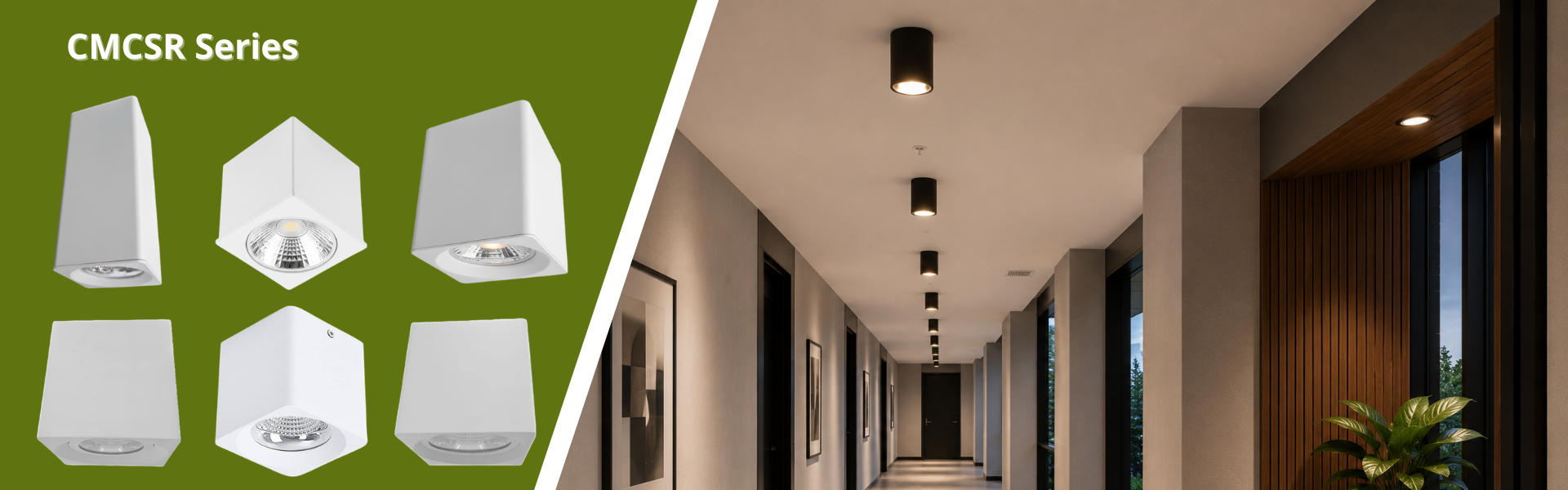
On most commercial projects, cylinder fixtures do not stay where the reflected ceiling plan puts them. Ceiling conditions shift, layouts get adjusted after MEP coordination, and finish schedules change late in the job. The CMCSR Series is a square, rounded-corner architectural cylinder built for that reality, with multiple sizes, selectable CCT, and dual dimming compatibility, so field alignment does not require a fixture-family swap during value engineering or closeout.
It fits commercial interiors and covered exterior conditions where fixture consistency matters more than a custom look. Designers and architects typically call it out across corridors, entries, soffits, and secondary exterior zones where cylindrical forms need to read the same across multiple ceiling conditions.
Why One Cylinder Family Across Zones Simplifies the Install
On commercial interiors, cylinder fixtures are often spread across multiple zones that do not behave the same in the field. Corridors, entry lobbies, exterior soffits, and amenity spaces are frequently released under separate schedules, then merged during procurement. Inconsistencies start showing up at that point.
Once multiple fixture types land in the same project, coordination issues increase quickly. Different trims, inconsistent CCT selection, and mixed finishes across elevations become visible after installation, especially in repetitive corridor conditions where spacing and alignment are easy to compare.
The CMCSR Series stays in play on projects because it reduces that fragmentation. A spec that calls for a single fixture family across corridors, entries, and covered exterior zones simplifies submittals and keeps the electrical contractor from managing multiple replacement paths during closeout.
Wattage and CCT flexibility inside one family also reduces the need for substitutions when ceiling conditions or finish selections change late in the schedule. Stocking is simpler for the EC running multiple floors or buildings where fixture continuity matters during turnover and maintenance.

What Makes the CMCSR Series Practical on Active Job Sites
On active commercial projects, cylinder selection rarely meets first-install conditions without adjustment. Ceiling heights shift between floors, corridor layouts change after coordination, and finish decisions often lag behind lighting submittals. The CMCSR Series is used in those conditions because it allows adjustment without forcing a fixture swap.
Selectable wattage lets the install crew tune output in the field when spacing or ceiling height changes during construction, where the spec allows it. Instead of reworking layouts or adjusting fixture counts late, output can be set at the fixture level during installation or commissioning. 3CCT selection (3000K, 4000K, 5000K) is typically chosen by the designer or owner late in the process when finishes are in place, and the space reads differently than expected. That is common in multifamily corridors, hospitality-adjacent interiors, and mixed-use buildings where surface reflectance and material changes affect perceived color temperature.
Multiple size options (3", 4", 6", 7", 9") let one fixture family stay consistent across different ceiling scales without introducing additional cylinder lines. Dual dimming compatibility (TRIAC at 120V and 0-10V at 120-277V) helps avoid coordination issues between lighting control scopes that are often split between tenant and base-building work. This combination reduces the need for last-minute substitutions when ceiling conditions or control requirements shift after rough-in.
Browse all CMCSR series collection
Ceiling Conditions and Layout Control the Final Install
Ceiling coordination usually overrides the reflected ceiling plan once work starts in the field. Junction boxes shift during framing, and ceiling grids move after MEP coordination is finalized. Lighting ends up adapting to the structure, not the drawings.
In corridors and soffits, cylinders are adjusted around sprinklers, diffusers, and access panels. Layout drift becomes visible at that stage. Installers prioritize clearance and constructability over perfect spacing. Cylinders rarely land exactly where they were drawn, and symmetry is usually corrected during punch, not at rough-in.

Dimming, CCT, and What Gets Adjusted After Energizing
Most cylinder decisions get finalized after the space is powered and finished. Materials and daylight change how CCT reads, especially between 3000K and 4000K in corridors and shared spaces.
Dimming levels are typically adjusted during commissioning or owner walkthroughs. The goal at that stage is to balance perceived brightness with actual use, not to change fixture performance. The controls contractor handles most of it on site during commissioning and punch, not at install.
Inspection and Compliance Reality for Cylinder Fixtures
Inspection focuses on electrical compliance, not lighting appearance. Inspectors verify fixture listing, mounting security, junction box support, wiring method, and terminations.
Depending on scope and jurisdiction, controls, wiring, and voltage compatibility may also be checked, and energy-code acceptance testing can address dimming and controls performance. Beyond that, inspection stays tied to code compliance. Uniformity, CCT appearance, spacing, and glare are not standard inspection items unless tied to a specific code or commissioning requirement.
Why CMCSR Makes Sense on Commercial Projects
The CMCSR Series solves common cylinder coordination problems without forcing multiple fixture families across the same property. Selectable wattage, selectable CCT, and multiple size options help crews adjust for changing ceiling conditions without rebuilding the lighting package.
Dual dimming compatibility keeps the fixture practical across mixed control scopes where tenant spaces, common areas, and covered exterior zones may not all operate under the same dimming requirements.
Across multifamily, corridor, and commercial common-area projects, the CMCSR fits standard installation workflows. It simplifies submittals, reduces replacement variation, and helps avoid finish inconsistencies that usually show up later during turnover and future upgrades.

Explore CMCSR Series Cylinders
If you are planning a corridor upgrade, multifamily project, tenant improvement, or commercial common-area buildout, RelightDepot supplies CMCSR Series cylinders in multiple sizes, finishes, and selectable configurations for interior and covered exterior applications.
Our team works with general contractors, electrical contractors, and facility teams to support fixture-family coordination, replacement consistency, and practical specification across repetitive spaces and multi-building properties.
If you need help aligning cylinder fixtures with project scope, controls compatibility, or long-term maintenance planning, browse our architectural cylinder lighting options or contact our team for project support. Email [email protected] or call 888-548-6387 to speak with a lighting specialist.
Shop the Series
-
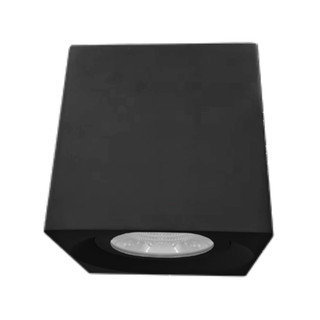
9" Square Rounded-Corner Commercial Cylinder, 42W|56W|70W, 80lm/W, 3000K|4000K|5000K, 9"D x 9"H, Black|White
WM-CMCSR9S-MCTP-DD
$234.70 -
-
-
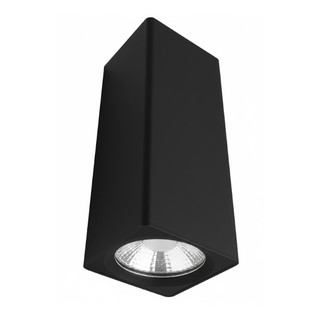
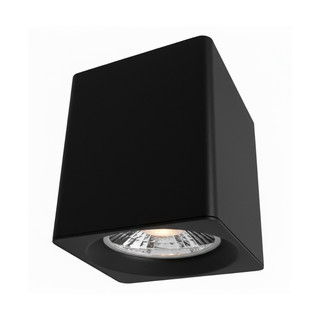
4" Square Rounded-Corner Commercial Cylinder, Wattage and CCT Selectable, 80lm/W
WM-CMCSR4-MCTP-DD
$75.65 -
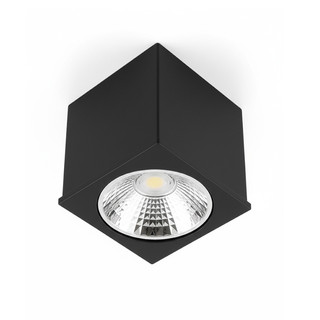
WM-CMCSR3S-MCTP-DD Series, 3" Diameter, 9W|12W|15W, Selectable 3000K|4000K|5000K, Dimmable
WM-CMCSR3S-MCTP-DD
$57.05 -
Latest Blog Updates
Enerlites October Promo: Surge, TR Devices and Power Inlets Closes October 31
Enerlites has promo pricing on four devices most of us put in on every service upgrade and finish tr...
EiKO HBX3 and BAYE3 Round High Bay Promo for Warehouse and Industrial Retrofits
Most high bay retrofits start with a fixture count, not a photometric plan. Someone walks the floor,...
Specifying the LRS-O2 Wall Sconce for Entries, Breezeways, and Site Work
The LRS-O Series is Westgate's field-selectable up-and-down wall sconce platform, built for multifam...
MaxLite DSKL Series: Color-Selectable Disk Lights, One SKU for Five CCTs
MaxLite's DSKL Series Disk Light ships in two sizes on one platform: a 4 inch, 10W model and a 6 inc...

Westgate CMC-2Tone Series: One Ceiling Cylinder Platform, Three Sizes
A two-tone ceiling cylinder shows up on a bid set for a reason. The designer wanted a decorative dow...

High-Output Westgate SFP Series Pickleball and Padel Court Lights
Pickleball and padel courts are going in fast right now, on park district budgets, HOA amenity upgra...