
Lighting Controls in 2026: What Contractors Need to Know
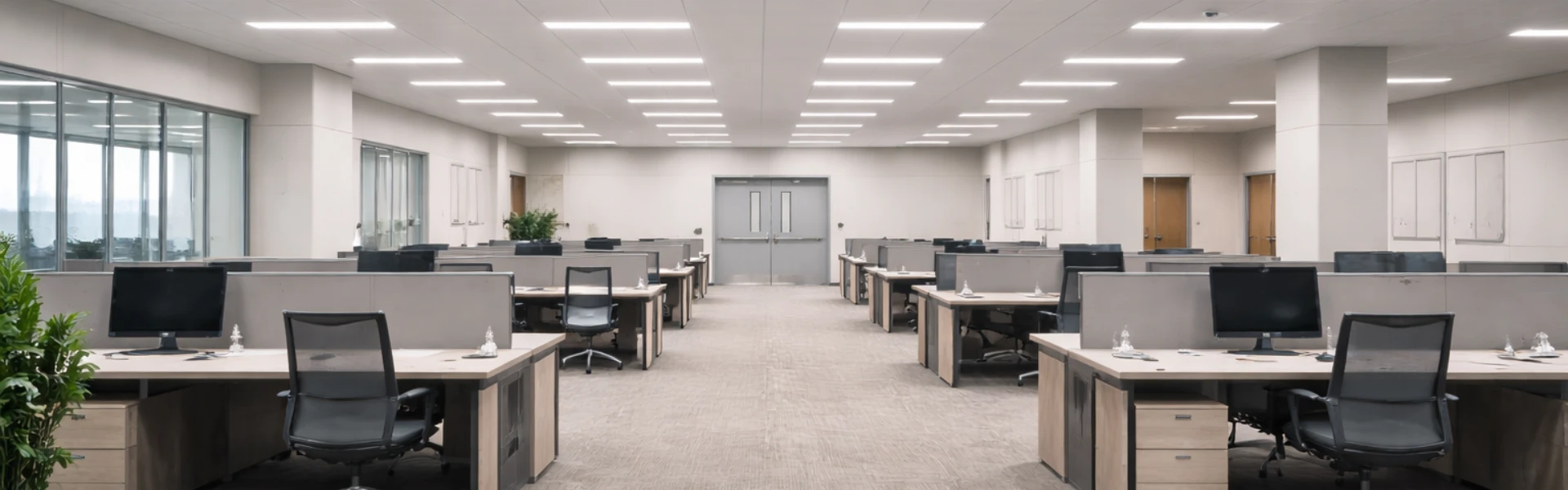
Lighting controls were once limited to large, high-budget projects. If a building included advanced controls, it likely relied on centralized relay panels, extensive low-voltage wiring, and specialized commissioning.
That model still exists, but it no longer defines the market.
In 2026, lighting controls are standard across commercial and industrial projects of all sizes. Energy codes require them. Owners expect measurable savings. Wireless technology has removed many of the barriers that once limited advanced systems to large facilities.
Understanding this evolution helps contractors, specifiers, and facility teams make better decisions and bid projects more accurately. This article explains how lighting controls evolved, why they matter more than ever, and how new luminaire-level systems are changing the landscape.
Why Lighting Controls Matter More Than Ever
Lighting controls are no longer optional upgrades. In many jurisdictions, they are mandatory. Lighting controls directly affect energy cost, code compliance, and occupant experience.
Modern commercial energy codes require features such as:
- Occupancy or vacancy sensing in enclosed spaces
- Automatic shutoff after hours
- Daylight-responsive dimming near windows and skylights
- Multi-level lighting control
These requirements are designed to eliminate waste. Lights should turn off when spaces are unoccupied. They should dim when daylight is sufficient. They should not operate at full output when only partial light is required.
When properly configured, advanced lighting control systems can reduce lighting energy consumption by 50–70 percent compared to uncontrolled systems. That impact compounds in facilities that operate long hours, such as warehouses using LED high bay lighting or offices outfitted with LED troffers.
Beyond energy savings, controls also improve:
- Lighting consistency
- Space flexibility
- Maintenance visibility
- Inspection and rebate documentation
For building owners and facility managers, this translates into lower operating costs and better control over their assets. For contractors, it introduces new complexity that must be understood early in the bidding process.
From Central Panels to Room-Level Control
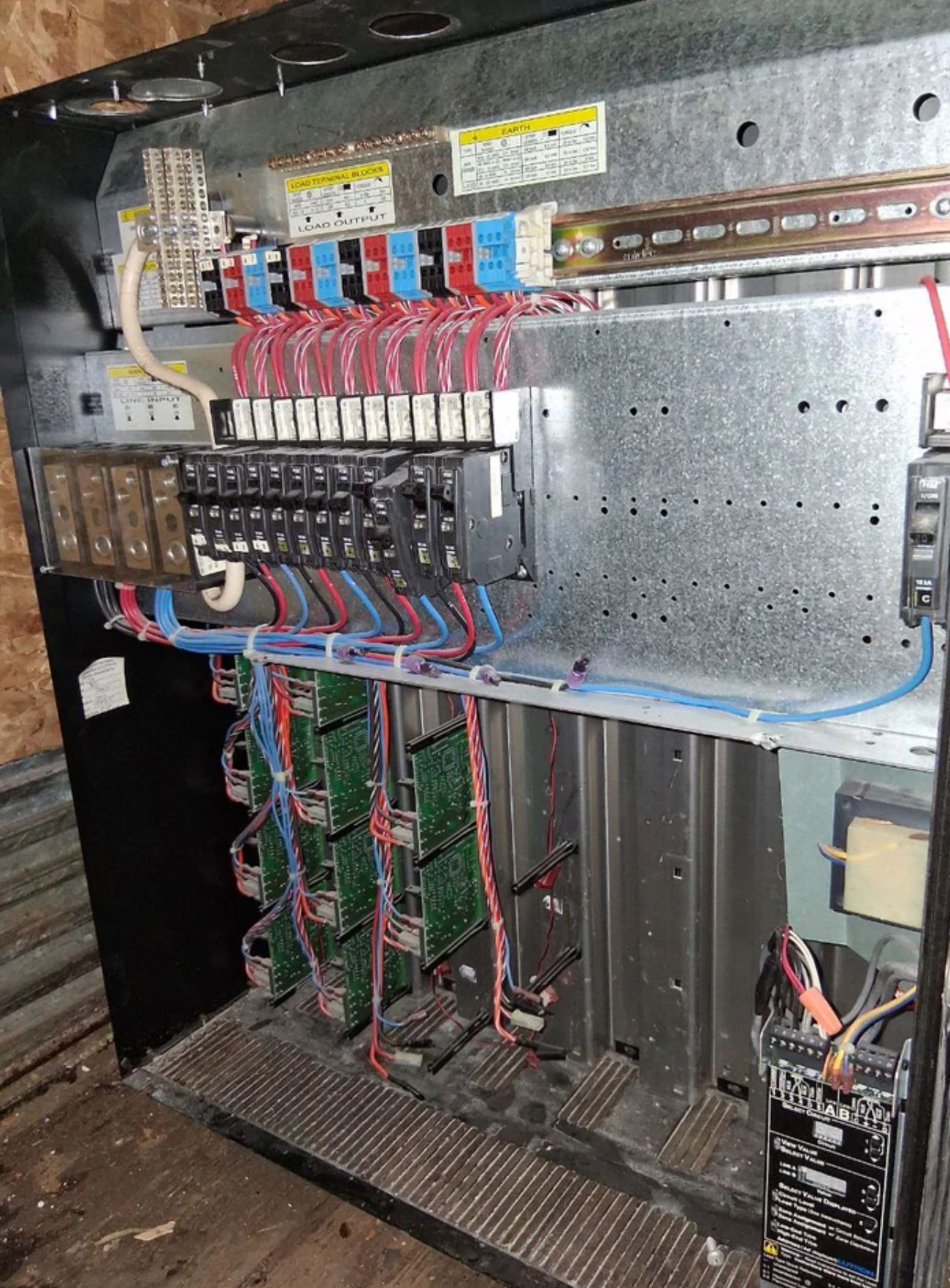 Lighting controls began at the centralized level. Large commercial projects traditionally included:
- Relay panels controlling entire floors or zones
- Hardwired low-voltage control circuits
- Time scheduling through panel logic
- Dedicated commissioning teams
These systems were powerful and scalable, but they required extensive coordination and control wiring. As a result, they were typically limited to large offices, hospitals, universities, and institutional facilities.
Room-level control emerged as a more practical approach for smaller projects. Instead of a central panel managing everything, each space could include:
- A wall switch
- An occupancy sensor
- A 0-10V dimming circuit
- A local control pack
This simplified compliance for individual rooms. However, room-level systems did not fully replace centralized panel systems in larger buildings. Hardwired zones still presented limitations:
- Re-zoning required physical rewiring
- Expanding the system meant running additional control conductors
- Daylight harvesting required careful sensor placement and calibration
Room-level control improved flexibility but remained constrained by the physical wiring architecture.
The Rise of Luminaire Level Lighting Control
Luminaire Level Lighting Control, or LLLC, represents a structural shift in how lighting systems are designed.
Instead of treating a room as a single electrical control zone, LLLC gives each fixture its own intelligence. A control-ready driver and sensor port are built into the luminaire. Sensors, switches, and control modules communicate through wired or wireless networks, often using Bluetooth mesh technology.
The architecture changes in important ways:
- Zoning becomes software-based rather than wire-based
- Sensors can be integrated directly into fixtures
- Devices communicate wirelessly instead of relying on control conductors between fixtures
- Systems can scale from a single room to an entire campus
Wireless standards such as Bluetooth mesh have made this shift possible. These systems are designed for secure, large-scale deployments and multi-vendor interoperability. They provide reliability comparable to wired systems while dramatically simplifying installation and future modifications.

LLLC makes advanced lighting control accessible to projects that would have previously avoided centralized systems due to cost or complexity.
Market Trends and Growing Adoption
The lighting controls market is expanding rapidly. Analysts project significant growth over the next decade, driven by stricter energy codes, corporate sustainability goals, falling sensor and wireless technology costs, and increased demand for building data and analytics.
As LED lighting reduced fixture wattage and improved efficiency, controls became the next major opportunity for savings and performance optimization.
In many commercial projects today, networked lighting control is assumed as a baseline requirement rather than an upgrade option.
What This Means for Contractors Reviewing Plans
Contractors rarely determine what is specified, but they are responsible for executing it. Understanding the control strategy early in the bidding process can reduce surprises later.
When reviewing drawings and specifications, look for:
- “Networked Lighting Control” language in Division 26
- References to Bluetooth mesh, Zigbee, or wireless control protocols
- Requirements for fixture-integrated occupancy sensors
- Detailed sequences of operation describing daylight harvesting and scene control
- Commissioning and programming requirements
These signals often indicate that the project is using luminaire-level or distributed control systems.
This affects bidding in several ways. Control wiring labor may be reduced. Commissioning scope may shift toward software configuration. IT coordination may be required. Fixture selection becomes more critical.
In value engineering situations, luminaire-level systems can sometimes provide advantages over traditional panel-based designs. They may reduce control wiring, eliminate large relay panels, and simplify future reconfiguration.
If you encounter a centralized panel specification that seems overly complex for the project scope, it may be worth evaluating whether a luminaire-level alternative could meet the same intent more efficiently.

A Modern Example: AleoBlue Wireless Lighting Controls
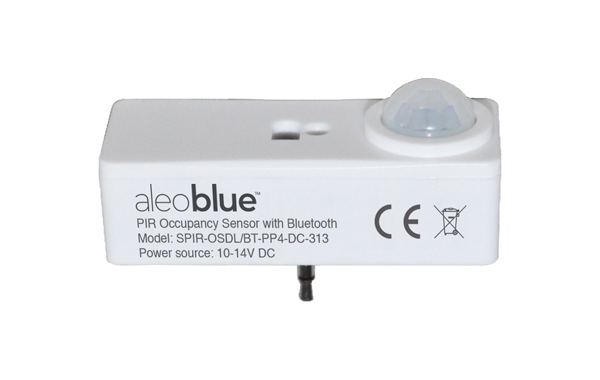
One example of this new generation of lighting control systems is AleoBlue Wireless Lighting Controls.
AleoBlue is built on Bluetooth mesh technology and represents a modern networked lighting control system. Instead of relying on centralized control wiring or large relay panels, devices communicate wirelessly. This allows scalable zoning and scene control, app-based commissioning, integration with control-ready fixtures, and expansion from single rooms to large campuses.
AleoBlue illustrates how advanced functionality can now be delivered without the complexity of traditional hardwired systems.
In the next article in this series, we will explore AleoBlue in depth, including how it works, what devices are available, and how contractors can deploy it in real-world commercial projects.
Take the Next Step
Lighting controls are now part of the fixture conversation, not an afterthought.
If you are bidding a project that includes networked lighting control, daylight harvesting, or complex zoning requirements, it is worth evaluating whether a luminaire-level approach may simplify installation and reduce long-term risk.
Our team can review drawings and specifications, identify whether fixtures are control-ready, evaluate centralized versus distributed control strategies, and explore whether a system like AleoBlue may be appropriate for your project.
Contact us to review your plans or explore control-ready lighting solutions that align with current energy code and performance expectations. You can email [email protected] or call 888-548-6387 to connect with a lighting specialist.
Frequently Asked Questions
Frequently Asked Questions
Related Resources


Latest Blog Updates
4 Benefits of LED High Bay Lights for Warehouses
During your time as a contractor or technician, you've probably heard the old industry saying, "if i...

Westgate ERSH Series: Outdoor E26 Glass Wall Sconces and Post Tops
The ERSH Series is Westgate's decorative outdoor lighting platform, designed for projects that need...

MaxLite LS3 Series: Field-Selectable LED Strip Light
Most mixed-facility jobs default to a separate strip light SKU for every wattage and CCT call: split...

Save 20% on Six or More Bulbrite Kibun Cordless Lamps Now Through June
Through June 30, buy six or more fixtures from the Bulbrite Kibun cordless lamp collection at Religh...

Product Spotlight: M Series Area, Flood, and Wall Lighting
Outdoor lighting scopes usually pull from at least three fixture categories. A commercial site retro...

Product Spotlight: LCFG Series Architectural Globe Pendants
The LCFG Series is built for commercial interiors where decorative pendants survive real coordinatio...