
Surface Mount Downlights with Emergency Battery: A Solution for Corridors, Stairwells, and Tight Ceiling Spaces
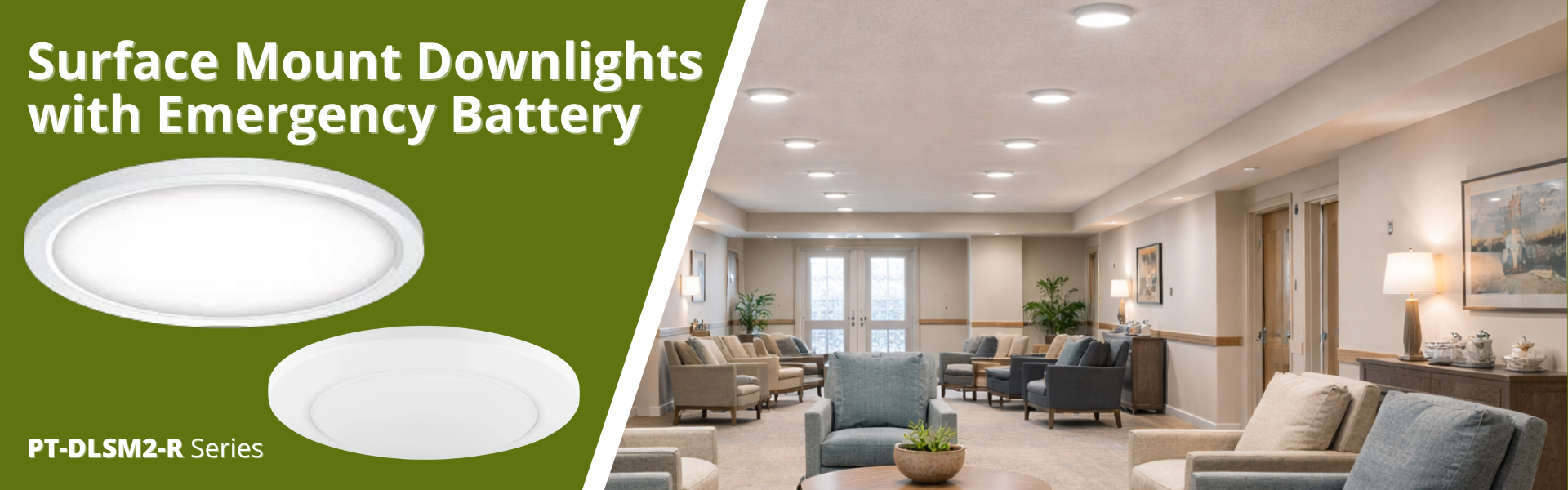
The Portor PT-DLSM2-R surface mount downlight is designed for situations where recessed lighting simply will not work. On many commercial projects, ceiling space is limited by concrete decks, shallow plenums, existing conduit, or structural framing. When that happens, cutting in recessed housings can slow the job or require layout changes.
Surface-mount fixtures solve this by installing directly to a junction box. The lighting layout can stay close to the original plan without opening ceilings or relocating utilities.
Certain models of the PT-DLSM2-R Series also include an integrated emergency battery. During a power loss, the fixture provides backup illumination for the required duration. This allows contractors to cover portions of the egress lighting requirement without adding separate emergency heads or remote units.
Where Surface Mount Downlights Are Used on Real Projects
Surface-mount downlights usually appear when ceiling conditions rule out recessed fixtures. This decision often happens after crews open ceilings or inspect existing conditions.
They are common in apartment corridors, stairwells, elevators, small lobbies, bathrooms, storage rooms, closets, and service corridors. You also see them in assisted living facilities and nursing homes, where ceilings are shallow or already finished.
In many tenant improvement projects, the lighting plan starts with recessed fixtures. Once the field conditions become clear, contractors switch to surface-mount fixtures to avoid cutting into framing, concrete decks, or limited plenum space. The goal is simple: keep the schedule moving without redesigning the lighting layout.

Why Contractors Specify Surface Mount Fixtures Instead of Recessed
Recessed lighting works well when ceilings are designed around it. On many projects, that assumption does not hold once construction begins. Surface-mount fixtures provide a practical alternative when recessed installation creates extra labor, risk, or schedule delays.
When Ceiling Conditions Prevent Recessed Lighting
Several common field conditions prevent recessed lighting. Plenum space may be too shallow. A structural deck or post-tension slab may sit directly above the ceiling. Existing conduit or ductwork may already occupy the space where the housing needs to go.
Tenant improvement work adds another constraint. The ceiling may already be finished, and cutting openings can damage tiles, drywall, or fire-rated assemblies.
A PT-DLSM2-R surface-mount downlight addresses those problems. It installs directly to a junction box and does not require cutting large openings or relocating utilities. Crews can keep the lighting layout close to the original plan without reopening ceilings.
Keeping Emergency Lighting Simple
Emergency lighting requirements often apply to corridors, stairways, and designated exit paths. These areas must maintain minimum illumination during a power outage.
Fixtures with an integrated emergency battery provide backup lighting without adding separate emergency heads or remote units. This can simplify the ceiling layout and reduce the number of devices that need wiring and testing.
From an inspection standpoint, the focus is on performance. Inspectors verify emergency illumination levels and confirm that the battery operates during a simulated power loss. They do not require a specific fixture style, as long as the installation meets the life safety lighting requirements adopted by the local jurisdiction.

Key Features That Matter on the Jobsite
Features only matter if they reduce labor, simplify inspection, or prevent additional fixtures. On most commercial jobs, crews want fixtures that install quickly and meet code requirements without adding coordination problems later.
The Portor surface mount downlight focuses on practical adjustments and built-in emergency capability. These are features contractors actually use in the field.
Integrated Emergency Battery
The integrated emergency battery provides illumination during a power outage. When normal power drops, the fixture switches to battery power and maintains emergency lighting for the required duration.
In many jurisdictions, emergency fixtures must provide illumination for 90 minutes. Local requirements can vary, but that duration is the common baseline used in commercial projects.
From a jobsite perspective, an integrated battery can simplify the lighting plan. Instead of installing separate emergency heads or remote units, the downlight itself provides the backup illumination.
This approach keeps ceilings cleaner and reduces the number of devices that need wiring and testing. It also limits coordination with additional emergency fixtures during rough-in and final inspection.
5CCT Selectable Color Temperature
The fixture includes a 5CCT selectable switch that allows installers to adjust color temperature during installation. Options typically include 2700K, 3000K, 3500K, 4000K, and 5000K.
This flexibility helps when final color preferences change late in the project. Owners and facility managers often review lighting during punch walks or early occupancy. If the space feels too warm or too cool, the installer can adjust the fixture without replacing it.
A common example appears in multifamily corridors. Plans may call for warm lighting early in the design. Later, the property manager may prefer a more neutral tone for maintenance visibility. With selectable CCT, the contractor adjusts the setting instead of swapping fixtures.
The result is fewer substitutions and fewer delays tied to lighting changes.
Surface Mount Design for Tight Ceiling Spaces
Surface-mount downlights solve a common problem in retrofit and tenant improvement work. Many ceilings simply do not have enough space for recessed housings.
Concrete decks, shallow plenums, and existing conduit runs often limit what can fit above the ceiling. In those cases, a surface mount fixture installs directly to a junction box without cutting large openings or relocating utilities.
The PT-DLSM2-R Series is available in multiple sizes, including 5-inch, 7-inch, 9-inch, 11-inch, 12-inch, and 13-inch models. This range allows contractors to maintain a consistent fixture style while adjusting output and scale for different rooms.
For example, smaller fixtures work well in closets, bathrooms, and elevators. Larger diameters can provide broader coverage in corridors or common areas. Using the same fixture family across these spaces keeps the installation consistent and simplifies ordering.
Electrical and Inspection Considerations
Lighting installations must meet basic electrical and life safety requirements before anything else. Inspectors focus on wiring compliance and emergency operation, not lighting appearance.
Most surface-mount downlights connect to 120V or 120–277V branch circuits, depending on the model. Installation typically occurs through a standard junction box, which simplifies rough-in and avoids the need for recessed housings.
During inspection, electrical inspectors generally verify a few key items. They check the wiring method, confirm proper grounding, and ensure the fixture is supported correctly. For fixtures with emergency batteries, they also verify battery operation and confirm the emergency test function works.
Inspectors do not review aesthetic choices such as fixture style, trim color, or color temperature. Those decisions fall under design preference rather than code enforcement.
For emergency lighting, the important requirement is that egress areas maintain the minimum illumination levels defined by code during a power outage. The fixture type can vary as long as the installation meets the adopted life safety standards and passes functional testing.

Explore Surface Mount and Emergency Lighting Options
RelightDepot carries a wide selection of surface-mount downlights, emergency lights, exit signs, and combo units used across commercial projects. These products support both new construction and retrofit scopes where reliable egress lighting and practical ceiling solutions are required.
Our team assists contractors with fixture comparisons, project takeoffs, and current product availability to help keep projects moving when specifications or timelines change.
Browse our commercial lighting options or reach out for project assistance.
Email [email protected] or call 888-548-6387 to speak with a lighting specialist.
-
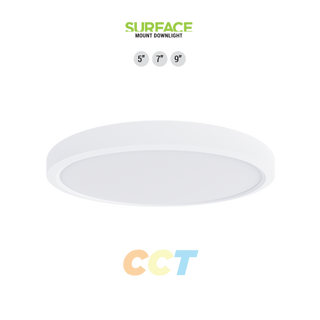
5-Inch 10 Watt Round LED Surface Mount Downlight 5CCT, White Finish
PI-PT-DLSM2-R-5I-10W-5CCT
$14.85
Latest Blog Updates
4 Benefits of LED High Bay Lights for Warehouses
During your time as a contractor or technician, you've probably heard the old industry saying, "if i...

Westgate ERSH Series: Outdoor E26 Glass Wall Sconces and Post Tops
The ERSH Series is Westgate's decorative outdoor lighting platform, designed for projects that need...

MaxLite LS3 Series: Field-Selectable LED Strip Light
Most mixed-facility jobs default to a separate strip light SKU for every wattage and CCT call: split...

Save 20% on Six or More Bulbrite Kibun Cordless Lamps Now Through June
Through June 30, buy six or more fixtures from the Bulbrite Kibun cordless lamp collection at Religh...

Product Spotlight: M Series Area, Flood, and Wall Lighting
Outdoor lighting scopes usually pull from at least three fixture categories. A commercial site retro...

Product Spotlight: LCFG Series Architectural Globe Pendants
The LCFG Series is built for commercial interiors where decorative pendants survive real coordinatio...