Products List
- Product
- Qty in Cart
- Quantity
- Price
- Subtotal
-

 Featured$109.85MSRP: $122.78SKU: WM-FLDXPRO-SM-5-15W-MCTPBBRAND: Westgate Manufacturing
Quick Overview
X-GEN Pro Bullet 120-277V 5-15W Select, 30/40/50K Select, 25-65-DEGREE, Bronze (wattage: 5W/10W/15W; lumens: 95LM/W; efficacy: 95LM/W; CCT: 30K/40K/50K; voltage: 120-277V)
FeaturedFeaturedX-GEN Pro Bullet 120-277V 5-15W Select, 30/40/50K Select, 25-65-DEGREE, Bronze
WM-FLDXPRO-SM-5-15W-MCTPB$109.85MSRP: $122.78Introducing the X-Gen Bullet Flood Lights, the ultimate solution for your outdoor lighting needs. Featuring an integrated photocell and available in three power options (5W, 10W, 15W), these flood... -


120V AC LED DoB Exterior Step Light
LT-SH-LED8WP$101.15The SH-LED8WP is designed with state-of-the-art LED DoB technology and is sealed for outdoor use. The Step Light contains 20 LEDs, ideally spaced to produce bright, even illumination. Engineered... -


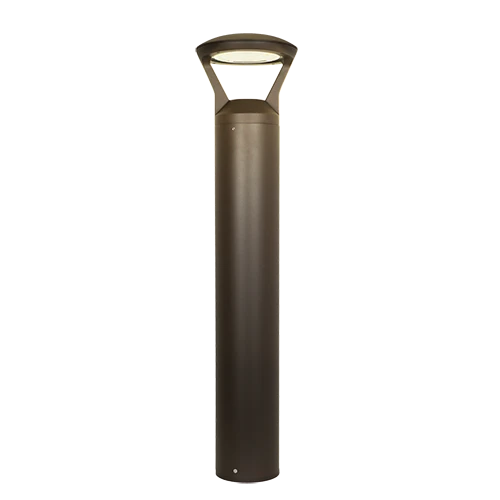
Bollard Round Dome Louvered, Lumen and Kelvin Field Selectable, 2,000 Lumens
BL-BOL-RDL-2L-LKFS$335.00The Bollard Round Dome Louvered is a versatile lighting solution with selectable color temperatures and lumen outputs, making it a significant offering in the Best Lighting Products lineup. ... -

UFO Head Bollard, 3,000 / 2,300 / 1,700 lm, 3K / 4K / 5K
BL-BOL-UFO-302317L$335.90The UFO Head Bollard from Best Lighting Products offers a versatile lighting solution with its selectable lumen outputs and color temperatures, making it a standout in the manufacturer's lineup... -


Round & Square Bollards, 3000 lm, Lumen & Kelvin Field Selectable
BL-BOL-S-3L-LKFS$312.75Round & Square Bollards with selectable color temperature options of 3000K, 4000K, and 5000K, offering adjustable lumen outputs up to 3,296 lumens. Key Features and Benefits ... -


Round Bollard, Lumen & Kelvin Field Selectable, 3,000 lm, Black
BL-BOL-R-3L-LKFS-BLK$294.75The Round Bollard Lumen & Kelvin Field Selectable is an essential part of the Best Lighting Products lineup, offering versatility and energy efficiency with its selectable color temperatures and... -


Round Bollard, 3000 Lumen, Field Selectable Color Temperature, Bronze Finish
BL-BOL-R-3L-LKFS$303.65A versatile round bollard light with selectable color temperatures (3000K, 4000K, 5000K) and adjustable lumen outputs up to 3296lm. Key Features and Benefits Field selectable... -


Round Dome Louvered Bollard, 2,000 Lumens, Lumen & Kelvin Field Selectable, Black
BL-BOL-RDL-2L-LKFS-BLK$337.25Round Dome Louvered Bollard with selectable color temperatures and adjustable lumen outputs, perfect for versatile outdoor lighting needs. Key Features and Benefits Field selectable 3000K, 4000K,... -


10 Watt LED Weatherproof Flood Head, 120V
WM-FLS-10W$31.30MSRP: $34.78A modern replacement for weatherproof PAR38 lamp holders and 100W quartz fixtures, the LED Weatherproof Flood Head is engineered for superior performance and durability.Electrical... -


Integrated LED Bullet 15W 30K 120-277V 0-10V 35D Beam Knuckle
WM-FLD2-15-KN$58.45MSRP: $64.7815W LED Bullet Flood Light – Perfect for General Site Lighting Enhance the safety and visibility of your outdoor spaces with our 15W LED Bullet Flood Light. Ideal for general site lighting,... -


Adjustable 6ft Single Canopy Set, Double Keyhole End Connectors, Power Side with White Cord
WM-SCL-CSY1P-6FT$25.74MSRP: $28.78Adjustable 6ft single canopy set featuring double keyhole end connectors and power side white SJTW 18/5 cord, perfect for versatile suspension needs. Key Features and Benefits ... -

Bollard Square, Lumen and Kelvin Field Selectable, 3,000 Lumens, Black
BL-BOL-S-3L-LKFS-BLK$335.00This versatile square bollard light offers selectable color temperatures and adjustable lumen outputs. Perfect for various outdoor lighting applications. Key Features and Benefits ... -


Adjustable 12FT 1/16in Single Suspension Canopy Set, Keyhole Connector
WM-SCL-CS1P-12FT-NC$19.85MSRP: $22.7812FT adjustable steel aircraft cable with zinc-plated steel connectors and white powder-coated steel canopy. Max load 70 lbs, fits standard junction boxes. Key Features and Benefits ... -

5 Watt Aluminum Directional LED Light 12V
WM-AD-130-BR$12.85MSRP: $14.48The Aluminum Directional LED Light, sku WM-AD-130-BR, is a versatile and robust lighting solution perfect for various outdoor and wet locations. This high-quality light fixture operates on 12V and... -


Round Dome Bollard, 3000 lm, Field Selectable Color Temperature, Black
BL-BOL-RD-3L-LKFS-BLK$310.60Round Dome Bollard with 3000 lumens output, selectable color temperature (3000K, 4000K, 5000K), and adjustable lumen outputs. Ideal for various lighting needs. Key Features and Benefits ... -


31-Inch 10 Watt Hammerhead LED Path Light, 12V, Bronze
WM-LAL-12V-118-31-30K-BR$81.30MSRP: $90.78Westgate 31"H Hammerhead LED 12V Path Light Enhance your outdoor spaces with the Westgate 31"H Hammerhead LED 12V Path Light. This superbly crafted path light features a powerful 10-watt integrated... -


31-Inch 10 Watt Hammerhead LED Path Light, 12V, Black
WM-LAL-12V-118-31-30K-BK$81.30MSRP: $90.78Westgate 31" Hammerhead LED Path Light - 10W, 720 Lumens, 3000K Transform your outdoor spaces with the Westgate 31" Hammerhead LED Path Light. With its sleek design and excellent performance, this... -


7 Watt Integrated LED Landscape Uplight, 12V, 4000K
WM-LFLV-7W-40K$38.45MSRP: $43.39Premium Landscape Uplight for Walkways and Pathways Elevate your outdoor aesthetics with our premium 7W Integrated Landscape Uplight, ideal for illuminating walkways, pathways, stairways, and more... -


7 Watt Integrated LED Landscape Uplight, 12V, 2700K
WM-LFLV-7W-27K$38.45MSRP: $43.39This versatile 7W LED Landscape Light is perfect for walkways, pathways, stairways, and more. Offering premium-quality construction and exceptional electrical specifications, it ensures reliable... -

SCX Series Recess Mount T-Bar Brackets, 4Ft. Length
WM-OPT-SCX-TBAR-4FT$185.55Product Overview The SCX Series 4Ft. Length Recess Mount T-Bar Brackets are expertly crafted for secure and stable installation of fixtures in T-Bar ceilings. These brackets ensure a reliable and...