Products List
- Product
- Qty in Cart
- Quantity
- Price
- Subtotal
-


5 Watt LED Solid Brass Well Light with Directional Lamp Bracket
WM-WL-708-FGBZ$78.45MSRP: $87.78Enhance your outdoor lighting with our LED Solid Brass Well Light with Directional Lamp Bracket. With 5 watts of power and 400 lumens of brightness, this lighting fixture delivers optimal... -


Solid Brass 5 Watt Well LED Light with Directional Lamp Bracket
WM-WL-705-FGBZ$69.85MSRP: $77.78Enhance your lighting setup with our Solid Brass Well LED Light, a blend of durability and performance. Engineered with a directional lamp bracket, this fixture delivers a radiant 400 lumens at an... -


5 Watt Well Light with Sleeve and LED Lamp
WM-WL-157-FGBZ$28.45MSRP: $35.325 Watt LED Well Light with Sleeve - Antique Bronze FinishIlluminate your outdoor spaces with the robust and efficient 5 Watt LED Well Light with Sleeve. Engineered for durability and optimal... -


WLL Series 6 Watt Integrated Aluminum LED Path Light
WM-WLL-181-30K-BK$44.15MSRP: $49.78The WLL Series Integrated Aluminum LED Path Light is the perfect solution for your outdoor lighting needs. With a sleek design and a powerful 6-watt LED, this path light delivers 580 lumens of... -


WLL Series 6 Watt Integrated Aluminum Path LED Light
WM-WLL-157-30K-BK$47.00MSRP: $52.78The WLL series LED integrated aluminum path light offers exceptional lighting performance combined with robust construction. Operating at 6 watts and providing 500 lumens, this path light is... -


WLL Series 6 Watt Integrated Aluminum LED Path/Well Light
WM-WLL-106-30K-BK$44.15MSRP: $49.78The WLL series integrated LED aluminum path/well light offers an efficient and durable solution for outdoor illumination. With its 6-watt power consumption and 500 lumens output, this light is... -


WLL Series 6 Watt Well/Path LED Light Aluminum Integrated
WM-WLL-105-30K-BK$42.74MSRP: $47.786 Watt Integrated Aluminum LED Well/Path Light - 3000K Enhance your outdoor space with the WLL series integrated aluminum LED well/path light. This efficient and durable 6-watt light delivers 580... -


24 Watt Garden Flood LED Light, 120-277V
WM-GL-24W$88.45MSRP: $98.7824W Garden Flood LED Light - Powerful, Durable, and Efficient Enhance your outdoor spaces with our 24W Garden Flood LED Light, ideal for park landscaping, garden, and architectural landscape lighting... -


6 Watt Square LED Wall/Step Light
WM-WMS-S$57.00MSRP: $63.78Versatile and Efficient LED Wall/Step Light Enhance your outdoor lighting with our 6W LED Wall/Step Light, perfect for general site lighting, alleys, loading docks, doorways, pathways, and parking... -


6 Watt Round LED Wall/Step Light
WM-WMS-R$59.85MSRP: $66.78Versatile 6W LED Wall/Step Light for Efficient Outdoor Illumination Ideal for general site lighting, alleys, loading docks, doorways, pathways, and parking areas, this energy-efficient 6W LED... -


Mini Step Light, 12V, 3000K, Black/White
WM-SLM-S1-12V-30K$11.30MSRP: $12.55Compact 12V mini step light with selectable 3000K color temperature and adjustable 160 lumens output, ideal for surface mount architectural lighting. Key Features and Benefits ... -

SCX Wall Mounting Bracket, 8FT
WM-OPT-SCX-WM-8FT$99.85SCX Wall Mounting Bracket, 8FT The SCX Wall Mounting Bracket, 8FT is a premium mounting accessory designed to securely position your fixtures. Part of the versatile SCX series, this bracket stands... -


4th Generation Modular Bollard System, 7W-22W Power and CCT Adjustable
WM-BOL-G4-201-MCTP$204.15MSRP: $226.78Modular Bollard System G4 by Westgate Lighting Enhance your outdoor spaces with the Modular Bollard System G4 from Westgate Lighting. This cutting-edge outdoor lighting solution is designed for... -


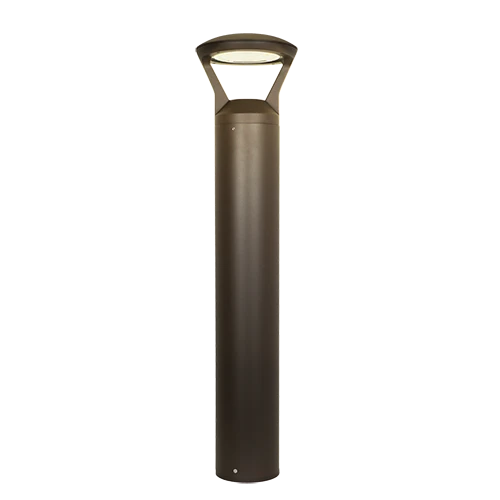
Bollard 44in Round Dome Top Louver Clear Lens Adj. 12-22W 30/40/50K, Black
WM-BOL-44-R-L-C-MCTP-BK$217.00MSRP: $288.55Round LED Bollard - BOL Series by WestgateThis Round LED Bollard from the renowned BOL series by Westgate offers unmatched versatility with adjustable power and color temperature settings, making it... -


LA-117-BZ 12V LED Area Light Solid Brass
WM-LA-117-BZ$88.45MSRP: $98.78The 23-inch 12V LED area light in solid brass (LA-117-BZ) is a top-notch lighting solution for any landscape or outdoor setting. With an energy-efficient 3 watts of power, this area light emits a... -


500Ft. Low Voltage Underground Cable #10 AWG
WM-LOV-10$1.35MSRP: $1.48500Ft. low voltage underground cable #10 AWG (104 Strands). 500 Ft. Low-Voltage underground cable. Operating Temp: -4°F to 140°F Suitable for outdoor lighting not exceeding 150V. RoHS Compliant -


PAR36 Fixtures Die-Cast Brass Antique Bronze Finish
WM-LD-001-BZ$91.30MSRP: $101.78PAR36 fixtures, die-cast brass antique bronze finish, suitable in wet location, IP67, 3 years warranty. -


23-Inch 3 Watt LED Area Light Cast Brass Aged Nickel Finish
WM-LA-117-AN$81.30MSRP: $90.7823-inches LED area light, 3 watts, 200 lumens, available in 3000K warm white color temperature (CCT), cast brass aged nickel finish, suitable for wet location, IP67, 5 years warranty. -


23-Inch LED 3W Area Lights - Solid Brass Finish
WM-LA-115-BZ$88.45MSRP: $98.7812-inches 12V LED area light, 3 watts, 200 lumens, available in 3000K color temperature, solid brass finish, suitable in wet location, 3 years warranty. -


2Ft. LED Area Light, Solid Brass, Antique Bronze Finish, 6-3/4"
WM-LA-116-BZ$88.45MSRP: $98.78Solid Brass LED Area Light with Antique Bronze Finish, offering 3000K Warm White illumination at 200 lumens with a 3W Integrated SMD LED. Key Features and Benefits Solid brass...