Products List
- Product
- Qty in Cart
- Quantity
- Price
- Subtotal
-


16 Watt LED Cloud Fixture 120V - CCT Adjustable
WM-FCR-11-MCT5$27.00MSRP: $30.78Cloud LED Flush Mount Surface Fixture Overview Experience superior lighting with the Cloud LED Flush Mount Surface Fixture. Operating at 120V with 16 watts of power, this fixture delivers 1200 lumens... -


LCL Series 4Ft. 20/30/40W Selectable CCT LED Corridor Strip Light
WM-LCL-4FT-40W-MCTP$125.55MSRP: $139.78The LCL Series 4-foot LED corner corridor strip light brings efficient, adaptable illumination to everyday commercial spaces. With selectable power and color temperature in a familiar strip-light... -


SCX4 Series 4Ft Linear 40 Watt Seamless Linkable LED Lighting System, Multi-Color Temperature, Dimmable
WM-SCX4-4FT-40W-MCT4-D$188.45MSRP: $209.784Ft Linear LED Lighting System with Selectable Color Temperatures and Adjustable Lumen Outputs Enhance your lighting setup with our 4Ft linear LED lighting solution. This state-of-the-art fixture... -


12-Inch 15 Watt LED Drum Fixture, 120VAC
WM-FDL-12-MCT5$44.15MSRP: $49.78Enhance your space with our versatile LED Flush Mount Surface Fixture, designed for both ceiling and wall mount applications. Utilizing Driver on Board (DOB) technology, this low-profile downlight... -


6-Inch Smooth 15 Watt LED Recessed Trim Series - CCT Adjustable
WM-RDL6-ST-MCT5-BK$17.00MSRP: $18.78The 6-inch Smooth LED Recessed Trim Series, SKU WM-RDL6-ST-MCT5-BK, is the perfect lighting solution for both residential and commercial spaces. This versatile LED trim offers outstanding brightness... -


Westgate SCX2 4 ft 2 in. Linear Light, 40W, 4-CCT, Dimmable
WM-SCX2-4FT-40W-MCT4-D$177.00MSRP: $196.78Customizable Linear Lighting Solution Experience the versatility of Linear Lighting, customizable to your desired length, look, and color temperature. Whether you need suspended, surface-mounted,... -


Westgate Signature LED Recessed Trim, 6 Inch, Selectable Color Temp
WM-RDL6-MCT5-WP$11.30Westgate Signature 6" LED Recessed Trim - WM-RDL6-MCT5-WP The Westgate Signature series 6" LED recessed trim, WM-RDL6-MCT5-WP, is your ultimate solution for versatile lighting. With adjustable... -

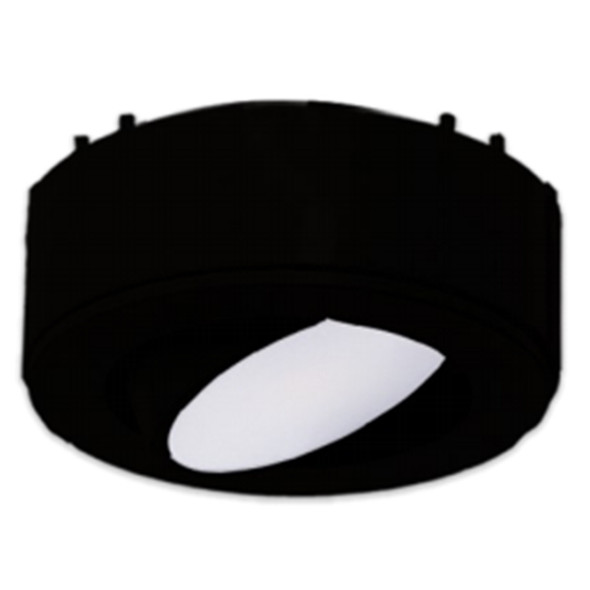
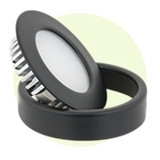
3-Inch Round 12V Adjustable LED Puck Light, 4.5 Watt
WM-PL12ADJ$44.15 - $54.15MSRP: $49.78 - $60.78Adjustable Square Slim Puck Light for Versatile Lighting Solutions Enhance your under cabinet lighting, display cases, or any low-profile areas with our state-of-the-art Adjustable Square Slim Puck... -


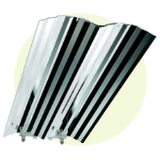
4Ft. 60 Watt LED Architectural Parabolic Suspended Up/Down Light
WM-SCLL-UD-4FT-60W$225.55MSRP: $254.68LED Architectural Parabolic Suspended Light - 4FT, 60W - Ideal for Various ApplicationsThis 4-foot, 60-watt LED Architectural Parabolic Suspended Light is perfect for enhancing the environment of... -


Westgate SCX2 8 ft 2 in. Linear Light, 80W, 4-CCT, Dimmable
WM-SCX2-8FT-80W-MCT4-D$322.70MSRP: $358.78Customizable Linear LED Lighting for Modern Spaces Discover the versatility and superior performance of the WM-SCX2-8FT-80W-MCT4-D Linear Lighting system. Tailor your lighting with customizable... -


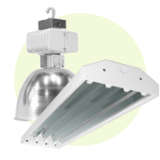
50 Watt LED Mini High Bay, PC Reflector Included
WM-LHB2-50W$128.45MSRP: $145.00High Lumen 50W Mini High Bay Experience the power and efficiency of our High Lumen 50W Mini High Bay, designed to illuminate your space with precision and reliability. This high-performance lighting... -


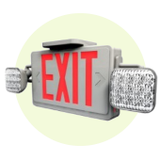
2-Head LED 1W Emergency Light, Dual 120-277V, Ni-Cad Battery, White Housing
WM-EL$27.00 - $68.45MSRP: $30.78 - $76.78Compact emergency light with dual 120-277V voltage, available in white or black housing, featuring two fully adjustable 1W LED heads. Key Features and Benefits Solid state... -


4Ft. Economy LED Wrap-Around Fixture - CCT Adjustable
WM-WAE-4FT-MCT-DD$68.45MSRP: $76.784ft Economy LED Wrap-Around Fixture - 40 Watts, 3200 Lumens Experience superior lighting with our 4ft economy LED wrap-around fixture, boasting 40 watts and a remarkable 3200 lumens. This fixture is... -


SCX Series 2Ft. Superior Architectural Seamless Linear LED Light - CCT Adjustable
WM-SCX-2FT-20W-MCT4-D$134.15MSRP: $149.78Linear Lighting Customization to Fit Your Needs Elevate your illumination with our versatile Linear Lighting, tailored to match your desired length, look, and color temperature. With options for... -


8Ft. LED Narrow Strip, 30W-50W Power and CCT Adjustable
WM-LSN-8FT-50W-MCTP-D$119.85MSRP: $133.78Experience superior lighting and energy savings with our 8ft. LED Narrow Strip Light, model WM-LSN-8FT-50W-MCTP-D. Designed to cater to a wide range of indoor applications, this versatile fixture... -


12in Integrated LED Vintage Pendant Light 25W 1300LM C90 5CCT 27/30/35/40/50K, Black
WM-LCFA-MCT5-BK$72.70MSRP: $80.78Integrated LED Vintage Pendant Light - Black Finish Revamp your interior with our modern yet vintage-styled pendant light, featuring an integrated 25-watt LED that produces an impressive 1,300 lumens... -


LED Outdoor Decorative Wide Sconce 12W 5CCT NON-DIM
WM-LDSW-MCT5-ORB$55.55MSRP: $61.78Decorative LED Wall Sconce - Oil-Rubbed Bronze Finish Enhance your lighting design with our Decorative LED Wall Sconce, a versatile and energy-efficient solution perfect for residential buildings,... -


8Ft. 84 Watt Strip LED Light
WM-LSL-8FT-84W$158.45 - $172.70MSRP: $176.78 - $191.78High-Performance 8FT LED Strip Light - 84WEnhance your space with the powerful and energy-efficient 8FT LED Strip Light (84W). This versatile light fixture is perfect for various settings, providing... -


60 Watt LED Suspended 2/3 Louver & Perf. Center Basket Up/Down Light
WM-SCPP-UD-4FT-60W$199.85MSRP: $222.78Product OverviewIntroducing the versatile Up/Down LED Center Basket Light, a perfect solution for illuminating spaces with efficiency and style. Whether for commercial or residential use, this 4-foot... -


SCX Series 3Ft. Superior Architectural Seamless Linear LED Light - CCT Adjustable
WM-SCX-3FT-30W-MCT4-D$164.15MSRP: $182.78Linear Lighting Customization at Your Fingertips Transform any space with our superior Linear Lighting solutions. Designed for versatility, this lighting can be customized to your desired length,...