Track Lighting Compatibility: Identify H, J, and L Track First
The number one track lighting support question is not about style or brightness; it is "will this head fit my track?" Three incompatible standards dominate the North American market, and no brand page explains them because each brand sells only its own. Identify the standard you have before buying a single head, and the rest of the order falls into place.
| Standard | How to Identify It | Heritage | Compatibility Notes |
|---|
| H-type | Head adapter has three contact tips, two close together on one side | Halo lineage; the most widely copied standard | H heads fit H track across brands that follow the standard |
| J-type | Two contact tips spaced about 1 inch apart | Juno lineage | J heads fit J track only; will not seat in H or L |
| L-type | Two contacts, one shaped with a distinct bend or hook | Lightolier lineage | L heads fit L track only |
Two quick checks confirm it: pull an existing head and count the contact tips on the adapter, or measure the spacing between contacts. Mixing standards is the classic ordering mistake; the head physically will not lock in, or worse, will seat without making proper contact. When mixing brands on one run, match the letter, then confirm the head's voltage and wattage against the track's rating. If the existing track predates these standards or came from a proprietary low voltage rail system, plan on replacing the run rather than hunting adapters.
LED Track Lighting for Retail and Gallery Display
Track earns its keep where merchandise and displays move: reposition and re-aim heads without touching wiring. Two numbers make retail track lighting work. First, the aiming angle: set heads roughly 30 degrees off vertical toward the display. Steeper angles create harsh top-down shadows; shallower angles throw glare into shoppers' eyes and light the wall above the product. Second, contrast: accent lighting should hit 3 to 5 times the ambient light level to make a display read as featured. For merchandise where color sells, apparel, food, art, spec CRI 90+ heads; the difference against 80 CRI is visible on skin tones, produce, and pigment.
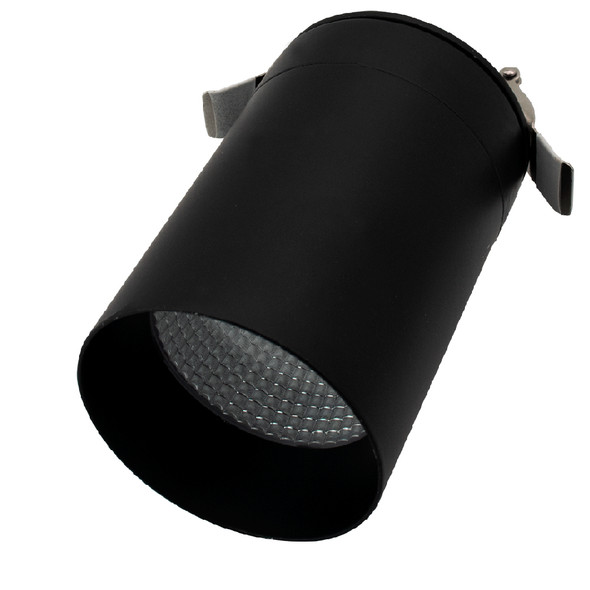
LED track heads carry the advantages that retired halogen from this application: tight, consistent beam control from spot to flood, low radiant heat on merchandise, and no relamping ladder work. Dimmable drivers are standard on most commercial-grade heads, with TRIAC and 0-10V options; verify protocol against the dimmer on the circuit. Kitchen track lighting follows the same logic at residential scale, aiming work surfaces instead of displays, with warm CCTs in the 2700K to 3000K range.
Kits, Heads, or Components: How to Order
Straightforward installs go fastest with a complete kit: track, heads, and feed in one box, one standard, no compatibility questions. Fit-outs and remodels usually order a la carte, combining track sections, connectors (straight, L, T, and X joiners), a floating or end feed, and heads chosen per display zone. Total head load stays within the track run's rated capacity, so count heads and wattage per circuit during layout, not after.
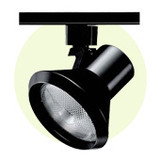
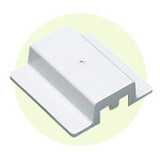
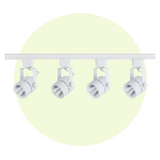
Shop Track Lighting Kits for ready-to-install packages, Track Lighting Heads for fixtures and replacements by standard, and Track Lighting Components for track, connectors, and feeds. For fixed-position alternatives in the same ceiling plane, see Commercial Ceiling Lights.