Accent Lighting by the Numbers: Ratios, Angles, and Beams
Three layers make up any lighting design. Ambient light fills the space, task lighting puts working light where hands and eyes are, and accent lighting makes a chosen object brighter than everything around it. The first two are about quantity; accent is about contrast, and contrast has actual math behind it.
Two numbers do most of the work. The first is the 5:1 focal ratio: for an object to read as deliberately highlighted, light it to about five times the surrounding ambient level. A 3:1 ratio reads as subtle emphasis; 10:1 or more turns retail-dramatic and suits jewelry cases and gallery features. The second is the 30 degree aiming rule: aim the accent fixture roughly 30 degrees off vertical toward the target. Steeper angles rake harsh shadows down artwork and product; shallower angles put the source in the viewer's eyes and bounce glare off glass and glossy finishes.
Beam spread then follows target size. A narrow 10 to 15 degree spot isolates a single small object, a 25 degree beam covers a framed piece or mannequin, and 40 to 60 degrees washes shelving bays and feature walls. When in doubt, go one beam narrower and back the fixture off; spill light is what kills the accent effect.
Matching the Fixture Type to the Job
| Fixture Type | Best For | Typical Beam | Notes |
|---|
| Track lighting heads | Retail floors and galleries where displays move | 10 to 60 degrees, swappable optics | Re-aim and re-lamp without an electrician |
| Adjustable recessed lighting | Finished ceilings where fixtures should disappear | 15 to 40 degrees, gimbal or eyeball trims | Aim is set at install; plan targets before the ceiling closes |
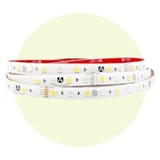
| Tape lighting | Coves, shelf edges, toe kicks, millwork reveals | Continuous linear wash | The workhorse for lighting a line rather than a point |
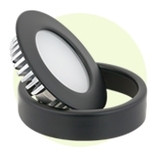
| Puck lights | Display cabinets and niches | Compact point source | Surface or recessed mount inside casework |
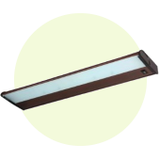
| Under cabinet lighting | Counters, workstations, lab benches | Linear task wash | Task layer first, accent effect at the backsplash for free |
Retail, Gallery, and Hospitality Applications
Retail runs on the 5:1 ratio at the merchandise plane: track heads over floor displays, puck lights inside cases, and tape lighting along shelf edges so product reads bright against the aisle. High CRI matters here; 90-plus keeps fabric and packaging colors honest. Galleries push the aiming discipline hardest, since the 30 degree rule is the difference between a lit painting and a glare sheet, and adjustable recessed fixtures keep the ceiling plane quiet. Hospitality uses accent light to do wayfinding quietly: a washed feature wall at reception, tape-lit coves in corridors, and picture-level accents in dining rooms, usually at warmer 2700K to 3000K color temperatures.
The Task Lighting Side of the Category
Task lighting is judged by a different test: light on the work surface without shadow or glare. Under cabinet fixtures put continuous linear light directly over counters and benches, which is why they anchor commercial kitchens, lab benches, and reception desks. For open workstations, the goal is 300 to 500 lux at the task plane on top of the ambient layer, which a linear task fixture delivers at far lower connected load than raising the whole room's light level.
Outdoor Accent Lighting
The same ratio and aiming logic moves outdoors, where accent work means uplighting trees and facades, grazing stone and signage, and marking paths. Landscape spotlights take the role of track heads, with beam choice again following target size. Fixtures rated for wet locations and low-voltage landscape systems live in Landscape Lighting, and the full Indoor Lighting catalog covers the ambient layer that accent work plays against. Contractor pricing applies across all task and accent lines.