Products List
- Product
- Qty in Cart
- Quantity
- Price
- Subtotal
-

 Featured$160.20 - $164.50MSRP: $177.78 - $182.78SKU: WM-TR-300W-3Z-TPCBRAND: Westgate Manufacturing
Quick Overview
WM-TR-300W-3Z-TPC Series, 300W, 3-Zone, 12VAC, Programmable Multi-Zone Transformer (wattage: 300W; voltage: AC120V; finish: Black)
FeaturedFeaturedWM-TR-300W-3Z-TPC Series, 300W, 3-Zone, 12VAC, Programmable Multi-Zone Transformer
WM-TR-300W-3Z-TPC$160.20 - $164.50MSRP: $177.78 - $182.78The WM-TR-300W-3Z-TPC Series is a robust 300W multi-zone transformer designed for flexible landscape lighting control. Its programmable timer allows for dusk-to-off operation with selectable... -


WM-TR-200W-2Z-TPC Series, 200W, 2-Zone, 12VAC, Multi-Zone Transformer, Programmable, Dusk-to-Off Timer
WM-TR-200W-2Z-TPC$125.85 - $130.15MSRP: $139.78 - $144.78The WM-TR-200W-2Z-TPC Series is a versatile 12VAC multi-zone transformer designed for landscape lighting systems. This model stands out with its dual-zone capability and programmable dusk-to-off... -

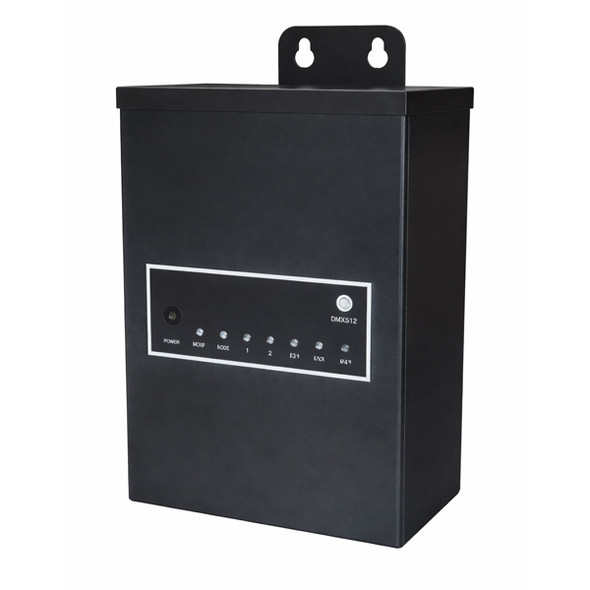
WM-TR-100W-2Z-TPC Series, 100W, 2-Zone, 12VAC, Multi-Zone Transformer, Programmable, Dusk-to-Off Timer
WM-TR-100W-2Z-TPC$98.65 - $104.40MSRP: $109.78 - $115.78The WM-TR-100W-2Z-TPC Series is a versatile 100W, 2-zone multi-zone transformer designed for landscape lighting systems. With programmable features and dusk-to-off timer options, it brings... -

150 Watt Stainless Steel Multi-Tap Landscape Transformer
WM-TR-150W-MT-SS$245.55MSRP: $272.78Enhance Your Outdoor Space with Westgate Manufacturing TR Series Landscape Transformer Introducing the Westgate Manufacturing TR Series Landscape Transformer, a robust and reliable solution for your... -

600 Watt Multi-Tap Landscape Transformer, Stainless Steel
WM-TR-600W-MT-SS$434.15MSRP: $482.78Westgate TR-600W-MT-SS 600 Watt Multi-Tap Landscape Transformer The Westgate TR-600W-MT-SS 600 Watt Multi-Tap Landscape Transformer is the perfect solution for enhancing your outdoor lighting setup... -

MSPI-NIS50W21S-780, 50W, LED Surface Mount, 7800 Lumens, Dimmable
WSD-MSPI-NIS50W21S-780$38.45MSRP: $50.00This 50W LED surface mount light from WSD LED Inc. is part of the MSPI series, known for its robust performance and versatility. The MSPI-NIS50W21S-780 model is designed to deliver high-quality... -


Adaptive Pro 24V, 96W Power Supply
AL-ADPT-DRJ-96-24$184.30The Adaptive Pro 24V, 96W Power Supply is a versatile and efficient solution for powering LED fixtures. Part of the Adaptive series, it stands out in American Lighting's lineup for its... -


Adaptive Pro 24V - 60W Power Supply, 5-in-1 Dimmable
AL-ADPTPRO-DRJ-60-24$135.05The Adaptive Pro 24V - 60W Power Supply is a versatile solution in Proluxe Lighting's lineup, designed for seamless integration with various dimming systems. It offers a compact, efficient, and... -


Adaptive Pro 24V - 96W Power Supply, 5-in-1 Dimmable
AL-ADPTPRO-DRJ-96-24$202.65The Adaptive Pro 24V - 96W Power Supply is a versatile solution in the Proluxe Lighting lineup, designed for efficient and reliable operation in low voltage applications. Key Features and... -

Adaptive Pro 24V - 288W Power Supply, 5-in-1 Dimmable
AL-ADPTPRO-DRJ-288-24$338.50The Adaptive Pro 288W is a versatile power supply solution from Proluxe Lighting, designed to offer reliable performance in low voltage settings. Its compact design and dimmable features make it a... -


Adaptive Pro 24V, 60W Power Supply
AL-ADPT-DRJ-60-24$122.70Compact 60W power supply with selectable 24V DC output, dimmable with TRIAC, MLV, and ELV dimmers, ideal for various LED installations. Key Features and Benefits 12V or 24V DC... -

Adaptive Pro 24V, 192W Power Supply, 5-in-1 Dimmable
AL-ADPTPRO-DRJ-192-24$263.65Compact 192W power supply for 24V LED fixtures with 5-in-1 dimming capability, suitable for wet locations. Features multiple protections and easy installation. Key Features and Benefits ... -


Adaptive Pro 24V - 30W Power Supply
AL-ADPT-DRJ-30-24$81.05Introducing the Adaptive Pro 24V - 30W Power Supply, a key component of the Adaptive LED Driver series, renowned for its versatility and reliability in powering LED installations. Key... -


Adaptive Pro 24V, 288W, Power Supply
AL-ADPT-DRJ-288-24$307.65Compact 288W power supply with selectable phase dimming and 24VDC output for under cabinet, tape lights, and various LED installations. Key Features and Benefits 24VDC constant... -


Adaptive Pro 24V, 192W Power Supply
AL-ADPT-DRJ-192-24$239.60Adaptive Pro 24V 192W Power Supply, dimmable with TRIAC, MLV, ELV dimmers, compact design ideal for under cabinet lights, tape light, and LED fixtures. Key Features and Benefits ... -


Adaptive Pro 12V, 60W Power Supply
AL-ADPT-DRJ-60-12$122.70Compact 12V DC dimmable power supply with 60W output, compatible with standard dimmers. Ideal for under cabinet and LED tape lighting. Key Features and Benefits 12V DC constant... -

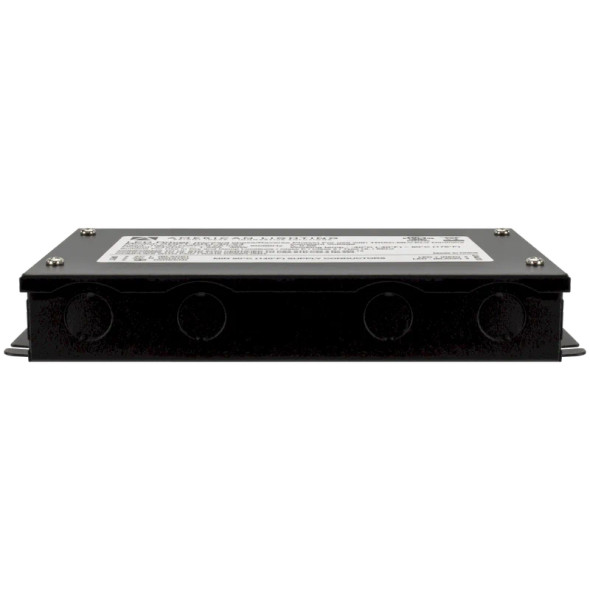
Adaptive Pro 12V - 30W Power Supply, Dimmable, Class 2 Rated
AL-ADPT-DRJ-30-12$81.05Compact 12V power supply with selectable dimming options, ideal for under cabinet and tape lighting installations. Key Features and Benefits Dimmable with standard TRIAC, MLV,... -
 New!New!
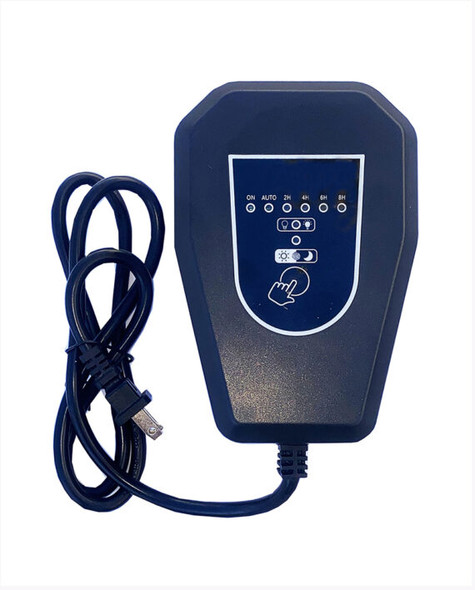
Cyber Tech Lighting Landscape Transformer With Photocell, 60W, Plastic Housing
CTL-LS60WPTFPC$49.35The Cyber Tech Lighting LS60WPTFPC is a compact landscape transformer designed to power low-voltage outdoor lighting with built-in photocell automation. As part of Cyber Tech’s landscape lighting... -

 New!New!
Cyber Tech Lighting Landscape Transformer With Photocell, 120W, Plastic Housing
CTL-LS120WPTFPC$81.75The Cyber Tech Lighting LS120WPTFPC is a landscape transformer with integrated photocell designed for dependable low-voltage outdoor lighting control. As part of CTL’s landscape lighting accessories... -
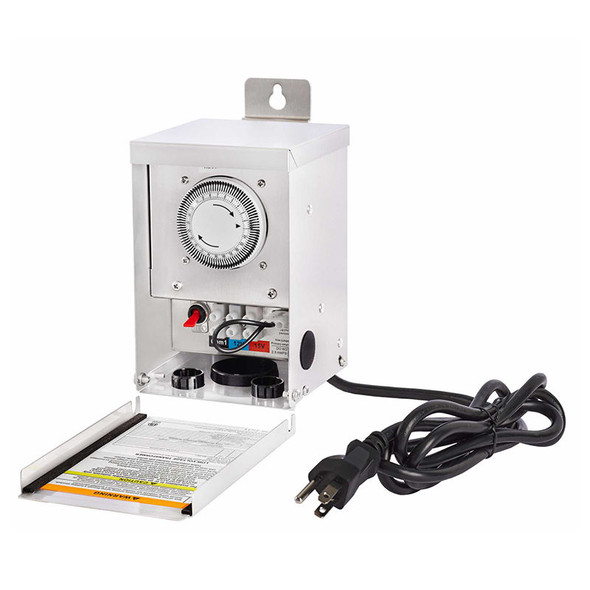

Westgate TR-75W-MT-T-SS, 75W Multi-Tap Landscape Transformer, Stainless Steel, 120V Input, 12V/15V AC Output
WM-TR-75W-MT-T-SS$155.20MSRP: $160.78The Westgate TR-75W-MT-T-SS is a robust 75W multi-tap landscape transformer designed for reliable outdoor and indoor lighting power distribution. Crafted in stainless steel, this transformer...