Products List
- Product
- Qty in Cart
- Quantity
- Price
- Subtotal
-


GPX Series Post Disk Light with Twin Arm, 18W/30W/45W/60W, 3000K/4000K/5000K
WM-GPX-18-60W-MCTP-A2$454.15MSRP: $504.78Versatile Outdoor Post Disk Light with Twin Arm Upgrade your outdoor lighting with our GPX Series Post Disk Light. This reliable and high-performance fixture is available in 18W, 30W, 45W, and 60W... -

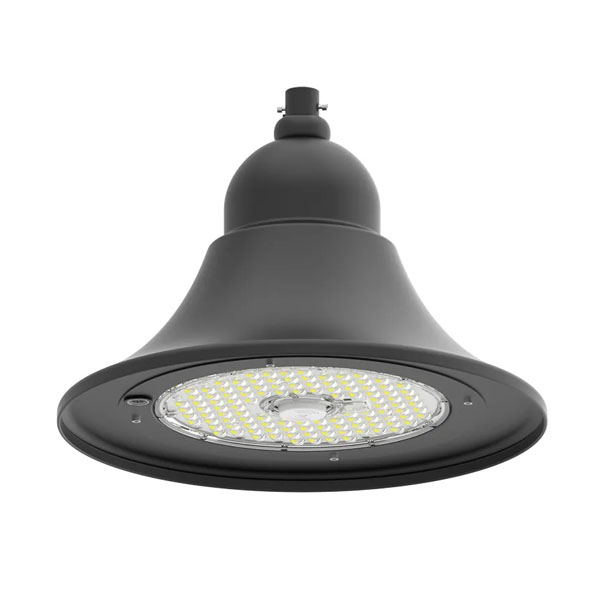
Designer Area Bell Light System, 23", 50W, 160LM/W, 30K/40K/50K, Black
WM-DAB-SOL-B23-50W-MCT$267.00MSRP: $296.7823" Designer Area Bell Light System with selectable color temperature (30K/40K/50K) and adjustable lumen outputs, ensuring versatile lighting. Key Features and Benefits ... -


Tree Of Light, A Natural Designer Light Structure For Open Areas
WM-TOL-YOSEMITE$387.00MSRP: $430.78Transform Your Outdoor Space with the Tree of Light - Yosemite The Tree of Light - Yosemite is a stunning outdoor lighting solution featuring a nature-inspired design that mimics the graceful form... -


Tree Of Light, A Natural Designer Light Structure For Open Areas
WM-TOL-REDWOOD$1,418.45MSRP: $1,576.78The Tree of Light is a stunning outdoor lighting solution that seamlessly blends nature-inspired design with modern functionality. This innovative structure mimics the organic form of a tree,... -


Tree Of Light, A Natural Designer Light Structure For Open Areas
WM-TOL-JOSHUA$932.70MSRP: $1,036.78Tree of Light - A Stunning Outdoor Lighting Solution The Tree of Light is a breathtaking outdoor lighting installation that seamlessly blends a nature-inspired design with cutting-edge... -


150W LED Post Top Lighting, 5000K, Dimmable, Generation 2
WSD-PT15W27-50K-D-G2$152.30This 150W LED Post Top Lighting from WSD LED Inc. is part of the second generation of efficient outdoor lighting solutions. The fixture offers a bright daylight-like 5000K color temperature, making... -

Spider Mount Post Top Light, 60-150W, Selectable, 3000K-4500K, Dimmable
WSD-SMPT681015W27-345K-D$207.65MSRP: $270.00Versatile post top light with selectable 60-150W power, adjustable color temperature from 3000K to 4500K, ideal for varied lighting needs. Key Features and Benefits Selectable... -


LED Area Light, 42W, 3000K/5000K
WM-LGP-42W$242.70MSRP: $274.03LGP 100W LED Area Lights - Superior Illumination and Energy Efficiency Introducing the LGP 100W LED Area Lights, a standout in the acclaimed LGP series, designed to provide optimal lighting... -


Tree Of Light, A Natural Designer Light Structure For Open Areas
WM-TOL-KINGS$649.85 - $715.55MSRP: $722.78 - $795.78Tree of Light - A Natural Designer Lighting Solution for Open Spaces The Tree of Light is a stunning outdoor lighting solution that seamlessly blends nature-inspired design with modern... -


Series B LED Acorn Area Light 32.5inH X 16inD 80/100/150W 3CCT 3in Sleeve 135 LM/W
WM-GPA-B32-80-150W-MCTP-BK$571.85MSRP: $635.78The Westgate GPA Series LED Acorn Area Light blends classic acorn styling with modern LED technology, making it a standout choice for outdoor pedestrian and area lighting. This fixture features... -


100W Hourglass Post Top Light, AC120-277V, 5000K, Generation 2
WSD-HPT10W27-50K-B-G2$275.35This second generation 100W Hourglass Post Top Light offers superior illumination with a stylish design, making it a standout in our outdoor lighting range. Key Features and... -


Series A LED Acorn Area Light 37inH X 17inD 80/100/150W 3CCT 3in Sleeve 135 LM/W
WM-GPA-A37-80-150W-MCTP-BK$571.85MSRP: $635.78The Westgate GPA Series LED Acorn Area Light is a decorative outdoor fixture designed to blend classic acorn styling with modern LED efficiency. Ideal for pedestrian and area lighting, this 37"... -

Solar LED Hourglass Post Top Light, 12W, 5000K, Black
WSD-SPHPT12W5-50K-B$207.6512W Solar LED Hourglass Post Top Light in black with a color temperature of 5000K and adjustable lumen outputs, ideal for outdoor applications. Key Features and Benefits ... -


Adjustable LED Slip Fitter Light, Bronze Finish, TYPE 5 LENS
WM-GPX-22-75W-MCTP-SF$481.30MSRP: $534.78Adjustable LED Slip Fitter Light is a versatile lighting solution with a bronze finish, offering selectable color temperatures and adjustable wattages for various applications. Key Features and... -
 New!New!
12" Decorative Outdoor Globe Post Mount Fixture, Black Finish, White Globe, E26 Medium Base, 120V, 100W Max, 3" Post Mount
SU-41320-SU$50.50The Sunlite 41320-SU is a decorative 12" globe post mount fixture designed to bring classic style and dependable outdoor illumination to commercial and residential exteriors. As part of Sunlite’s... -
 New!New!
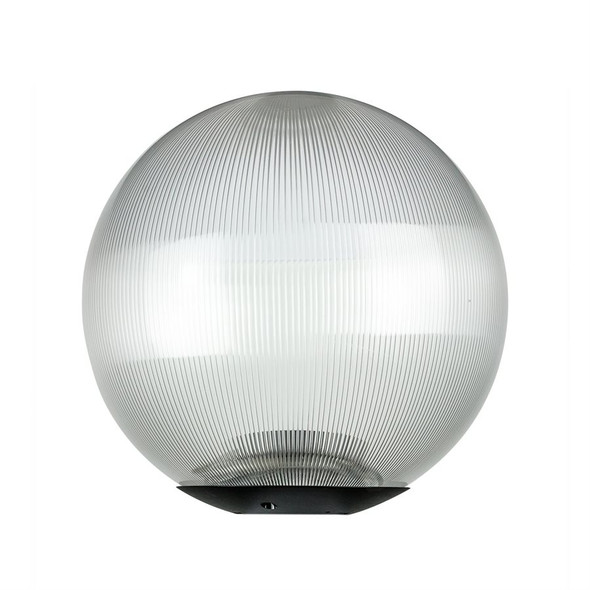
Sunlite 12" Decorative Outdoor Globe Post Mount Fixture, 100W, 120V, E26 Medium Base, Prismatic Clear Lens, Black Finish
SU-41321-SU$53.55The Sunlite 41321-SU is a decorative outdoor globe post mount fixture designed to deliver classic styling and dependable exterior illumination. As part of Sunlite’s outdoor post-top lineup, it... -

 New!New!
Sunlite LED Post Top Light, 7700|10500|21000 lumens, 70W|100W|150W, 120-277V, 3000K|4000K|5000K
SU-85618-SU$352.40The Sunlite 85618-SU is a versatile LED post top light designed for dependable outdoor site and pathway illumination. As part of Sunlite’s selectable-output lineup, it combines field-adjustable... -

Post Mount Carriage Lamp Fixture, Black, Clear Glass Lens, 60 Watts Max, E26 Base
SU-41322-SU$26.05Outdoor post mount carriage lamp with black finish, clear glass lens, supports 60W max, E26 base, ideal for residential and commercial use. Key Features and Benefits Stylish... -


100W LED Post Top Lighting, 100W, AC120-277V, 5000K, Dimmable, Generation 2
WSD-PT10W27-50K-D-G2$136.90This 100W LED Post Top Lighting from WSD LED Inc. is a high-performance outdoor lighting solution, designed to provide efficient, bright illumination in a variety of outdoor spaces. As a part of the... -


Solar LED Post Top Light, 15W, 5000K
WSD-SPRCPT15W5-50K-B$253.8015W Solar LED Post Top Light is a versatile and energy-efficient solution for outdoor lighting needs. It offers a sleek design with selectable 5000K color temperature and adjustable lumen...
Frequently Asked Questions
Frequently Asked Questions
Measure the outside diameter of the pole top or tenon the fixture will slip over. Roughly 2 7/8 to 3 inches means a 3 inch fitter, the most common size; 3 1/2 to 4 inches means a 4 inch fitter. If the fixture and pole do not match, a slip fitter adapter converts between sizes without replacing the pole.
A post top fitter slips over a vertical pole or tenon and is secured with set screws. A pier mount bolts to a flat surface such as a masonry column, entry pier, or deck post. Many fixture families offer both mounts on the same lantern, so pick the body style first, then the correct mounting base.
Pedestrian-scale post lights typically run 8 to 14 feet, with 10 to 12 feet the sweet spot for walkways and entry drives. Larger commercial sites push to 16 to 20 feet for wider spacing. Lower heights need tighter spacing and lower output per pole to avoid glare at eye level.
Type III distribution suits paths along a perimeter, since it throws light forward and along the walkway with little spill behind the pole. Type V works for open plazas, intersections, and courtyards where symmetric coverage matters. Full cutoff versions of both keep light out of the sky and off adjacent property.
Many are, but not all. Look for full cutoff optics that emit no light above horizontal, and choose 3000K or warmer where local ordinances apply. Traditional acorn styles with drop lenses scatter uplight; modern LED acorns reproduce the look with shielded optics that meet most dark-sky requirements.
Solar post lights work for wayfinding, monument entries, and remote paths where running power is impractical. Their output is well below wired LED post tops and depends on daily sun exposure, so they are not a one-for-one substitute for wired area lighting where uniform footcandle levels are required.
Usually yes. If the existing pole has a standard 3 inch tenon and sound wiring, a new LED post top installs directly on it. Verify pole condition, tenon size, and voltage first. This is the standard approach for HOA and streetscape upgrades because it preserves poles and foundations.