Products List
- Product
- Qty in Cart
- Quantity
- Price
- Subtotal
-

 Featured$139.85MSRP: $155.78SKU: WM-GNB-40W-MCTBRAND: Westgate Manufacturing
Quick Overview
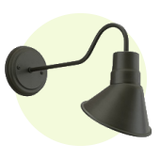
14in 40W Gooseneck Barn Light, MCT 30/40/50K, 0-10V, Photocell, Bronze (wattage: 40W; lumens: 4800LM; CCT: 3000K/4000K/5000K; voltage: 120-277V; 100-277V AC; finish: Bronze; White; Black)
FeaturedFeatured14in 40W Gooseneck Barn Light, MCT 30/40/50K, 0-10V, Photocell, Bronze
WM-GNB-40W-MCT$139.85MSRP: $155.78Gooseneck Barn LED Light - 40W, Multi-Color Temperature Illuminate your outdoor spaces with our Gooseneck Barn LED Light, featuring 40 watts of power and delivering 4,800 lumens of bright light. This... -


LED Outdoor Sign Lights, 120~277V
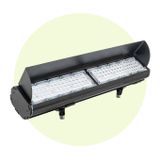
WM-LOHB-4FT-120W$471.30MSRP: $523.784-Foot LED Outdoor High Bay Light Discover the superior lighting of our 4-Foot LED Outdoor High Bay Light, designed for versatile applications such as wall washing, signage, suspended indoor/outdoor... -


LED Outdoor Sign Lights, 120~277V
WM-LOHB-2FT-50W$199.85MSRP: $222.78Product Overview The Westgate 2-Foot LED Outdoor High Bay is the ideal solution for a variety of lighting needs, including wall wash, sign, suspended outdoor/indoor lighting, and small stadiums... -


LED Outdoor Sign Lights, 120~277V
WM-LOHB-4FT-120W-WH$471.30MSRP: $523.784ft. LED outdoor sign lights, 120 watts, 15,300 lumens, available in 3000K or 5000K color temperature (CCT), white finish, up to 50,000 hours rated life, suitable for wet location, 5 years warranty... -


10in 25W Gooseneck Barn Light, MCT 30/40/50K, 0-10V, Photocell, Bronze
WM-GNB-25W-MCT$112.70MSRP: $125.78Gooseneck Barn LED Light - 25W, 3000 Lumens, Multi-Color Temperature Illuminate your outdoor spaces with our Gooseneck Barn LED Light, offering 25 watts of power and producing an impressive 3000... -


Westgate PRO Solar Sign Light, Universal Mounting, Remote Control, 2FT, 5W, 850lm, 5000K
WM-SOLS-PRO-2FT-50K$164.40MSRP: $182.78The Westgate PRO Solar Sign Light is a versatile 2FT fixture designed for reliable and efficient outdoor sign illumination. As part of Westgate's innovative solar lighting series, this model stands... -

Residential Barn Light 120V 40W 50K 5000LM Photocell
WM-LRXB-40W-50K-P$53.75MSRP: $60.78Residential Barn Light 120V 40W 50K 5000LM Photocell is a Westgate Manufacturing product with 40W, 5000LM, 5000K, 120V.Key FeaturesWattage: 40WLumen Output: 5000LMColor Temperature: 5000KVoltage:... -
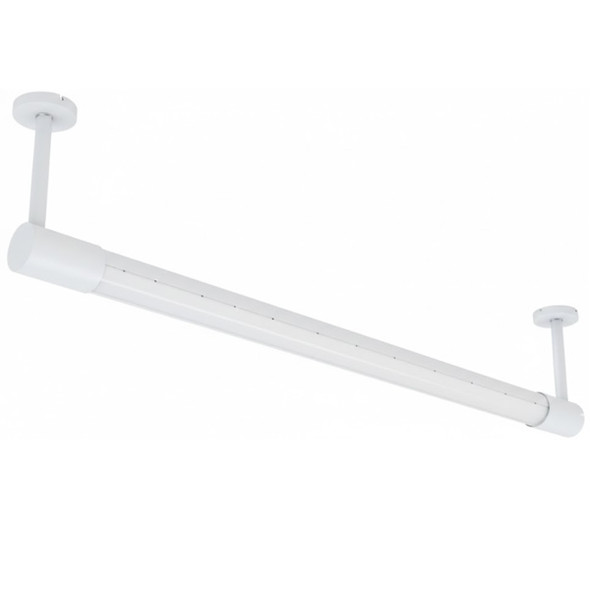

6FT Tubular Rotatable IP66 Sign Lt 80-DEG 40W 5CCT W/MOUNT Canopy 0-10V
WM-TSR-IP66-80D-6FT-MCT5-D$224.65MSRP: $249.78The Tubular Rotatable IP66 Sign Light Series is designed for versatile and reliable illumination of signage and architectural features. This 6FT fixture stands out with its robust IP66 rating,... -


Field-Installed Horizontal Gooseneck Arm, WM-GNB-ARMKIT-HGN
WM-GNB-ARMKIT-HGN$31.30MSRP: $34.78Field-installed horizontal gooseneck arm designed for versatile mounting options. Ideal for customizable lighting solutions. Key Features and Benefits Sturdy construction for reliable... -


1/2 NPT THREADED-KNUCKLE ADAP
WM-LOHB-K$24.45MSRP: $30.611/2 NPT THREADED-KNUCKLE ADAP is a Westgate Manufacturing product.ApplicationsIdeal for indoor or outdoor high bay lighting, small stadium and tracks, sign lighting. Great for use with motion sensors... -
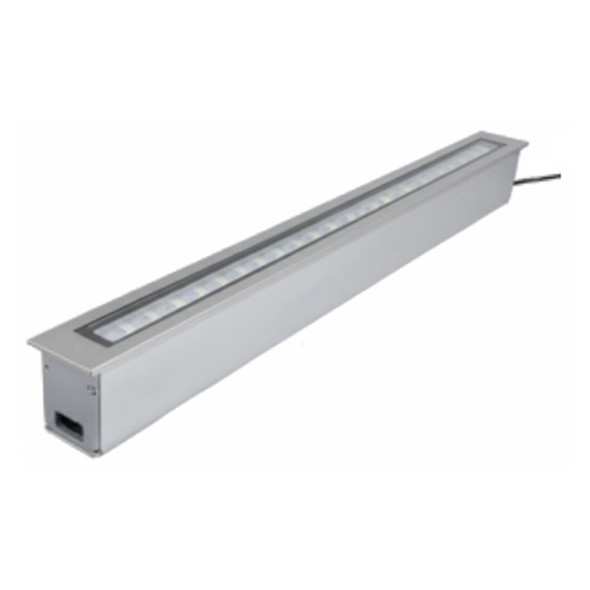
DMX 512 Compatible RGBW Linear Architectural Inground Light, 44W, 3740lm, RGB+4000K
WM-DMX-CIGL-40-RGBW$432.25MSRP: $479.78The Westgate DMX-CIGL-40-RGBW is a cutting-edge DMX 512 compatible RGBW linear architectural inground light, designed for dynamic color-changing effects and robust outdoor performance. This... -
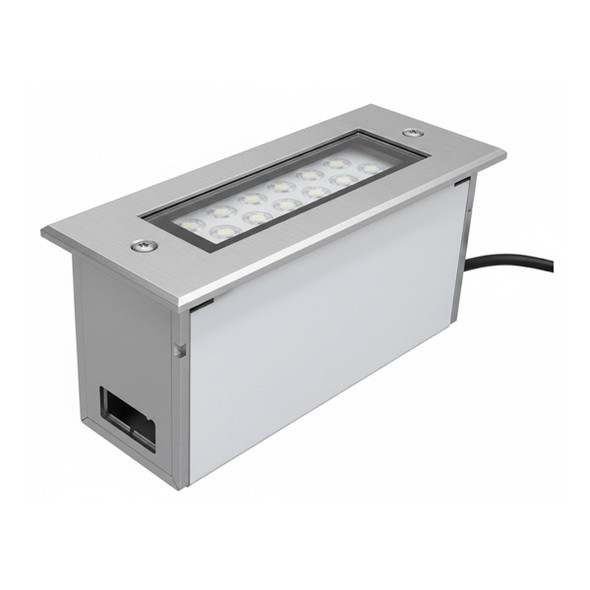
9-Inch RGBW Linear Architectural Inground Light, DMX 512 Compatible, 11W, 935lm, RGB+4000K
WM-DMX-CIGL-9-RGBW$157.35MSRP: $174.78The Westgate DMX-CIGL-9 RGBW Linear Architectural Inground Light is a versatile and robust solution for creative outdoor lighting. Designed for architectural applications, this 9-inch fixture... -
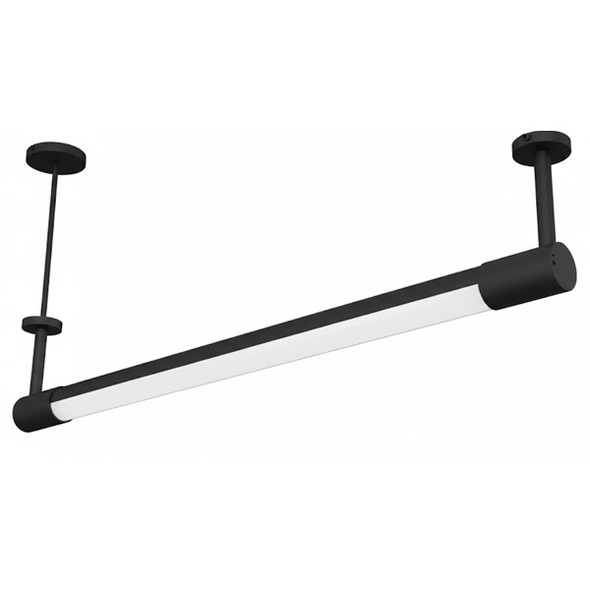

6FT Tubular Rotatable IP66 Sign Lt 133-DEG 40W 5CCT W/MOUNT Canopy 0-10V
WM-TSR-IP66-133D-6FT-MCT5-D$224.65MSRP: $249.78The Tubular Rotatable IP66 Sign Light Series is a versatile solution for illuminating signage and architectural features. This 6FT fixture stands out with its rotatable design, robust IP66 rating,... -

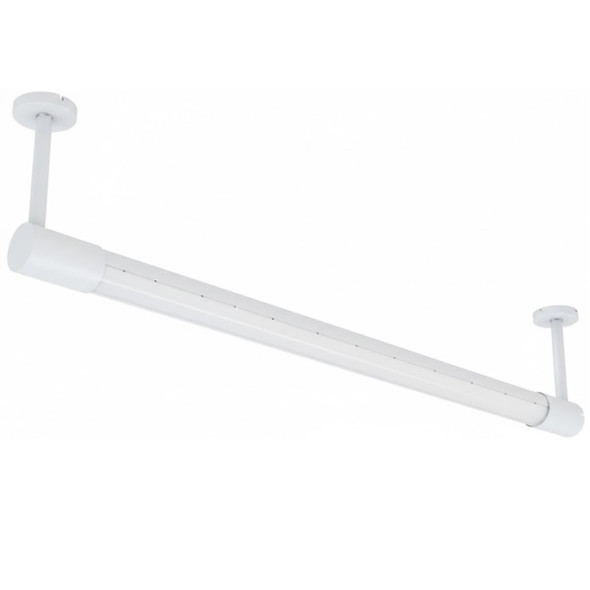
4FT Tubular Rotatable IP66 Sign Lt 133-DEG 30W 5CCT W/MOUNT Canopy 0-10V
WM-TSR-IP66-133D-4FT-MCT5-D$161.65MSRP: $179.78The Tubular Rotatable IP66 Sign Light Series is a versatile and durable lighting solution designed for signage and architectural applications. This 4FT fixture stands out with its rotatable tubular... -


3FT Tubular Rotatable IP66 Sign Lt 133-DEG 20W 5CCT W/MOUNT Canopy 0-10V
WM-TSR-IP66-133D-3FT-MCT5-D$135.90MSRP: $150.78The Tubular Rotatable IP66 Sign Light Series is a versatile solution for illuminating signs and architectural features. With a 133° wide beam angle and a rotatable design, this 3FT fixture... -


2FT Tubular Rotatable IP66 Sign Lt 133-DEG 15W 5CCT W/MOUNT Canopy 0-10V
WM-TSR-IP66-133D-2FT-MCT5-D$121.55MSRP: $134.78The Tubular Rotatable IP66 Sign Light Series is a versatile solution designed for illuminating signage in demanding outdoor environments. Its 2FT form factor, robust IP66 rating, and selectable... -


4FT Tubular Rotatable IP66 Sign Lt 80-DEG 30W 5CCT W/MOUNT Canopy 0-10V
WM-TSR-IP66-80D-4FT-MCT5-D$161.65MSRP: $179.78The Tubular Rotatable IP66 Sign Light Series is a versatile solution for illuminating signs and architectural features. Designed with a 4FT tubular form factor and an 80° beam angle, this fixture... -

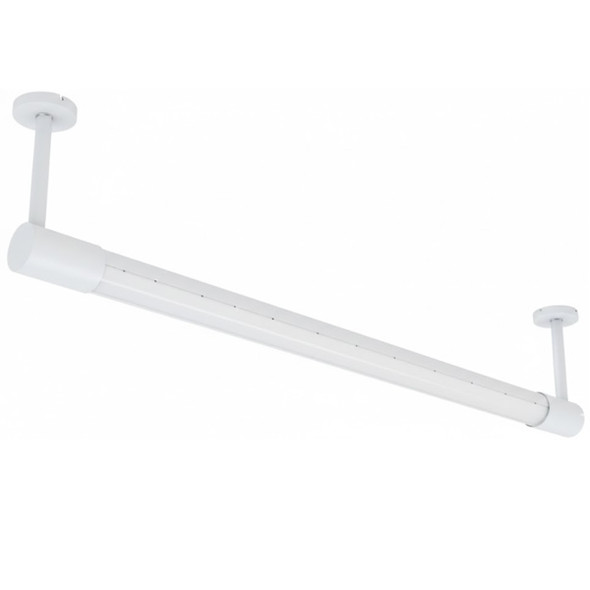
3FT Tubular Rotatable IP66 Sign Lt 80-DEG 20W 5CCT W/MOUNT Canopy 0-10V
WM-TSR-IP66-80D-3FT-MCT5-D$135.90MSRP: $150.78The Tubular Rotatable IP66 Sign Light Series offers a modern and versatile lighting solution for signage and architectural accents. With its 3FT length, rotatable design, and robust IP66 rating,... -


2FT Tubular Rotatable IP66 Sign Lt 80-DEG 15W 5CCT W/MOUNT Canopy 0-10V
WM-TSR-IP66-80D-2FT-MCT5-D$121.55MSRP: $134.78The Tubular Rotatable IP66 Sign Light series is designed for reliable and flexible illumination of signage and architectural features. This 2FT model stands out with its rotatable design, IP66... -


Westgate PRO Solar Sign Light, Universal Mounting, Remote Control, 10W, 1700lm, 5000K, 4FT
WM-SOLS-PRO-4FT-50K$237.35MSRP: $263.78The Westgate PRO Solar Sign Light is a versatile 4FT fixture designed to provide efficient, eco-friendly illumination for signage. With universal mounting options and a convenient remote...