
Inside AleoBlue: How Wireless Lighting Control Simplifies Commercial Projects
In the first article in this series, we looked at how lighting controls evolved from centralized relay panels to room-level control and now to luminaire-level lighting control.
Now we move from industry overview to practical application.
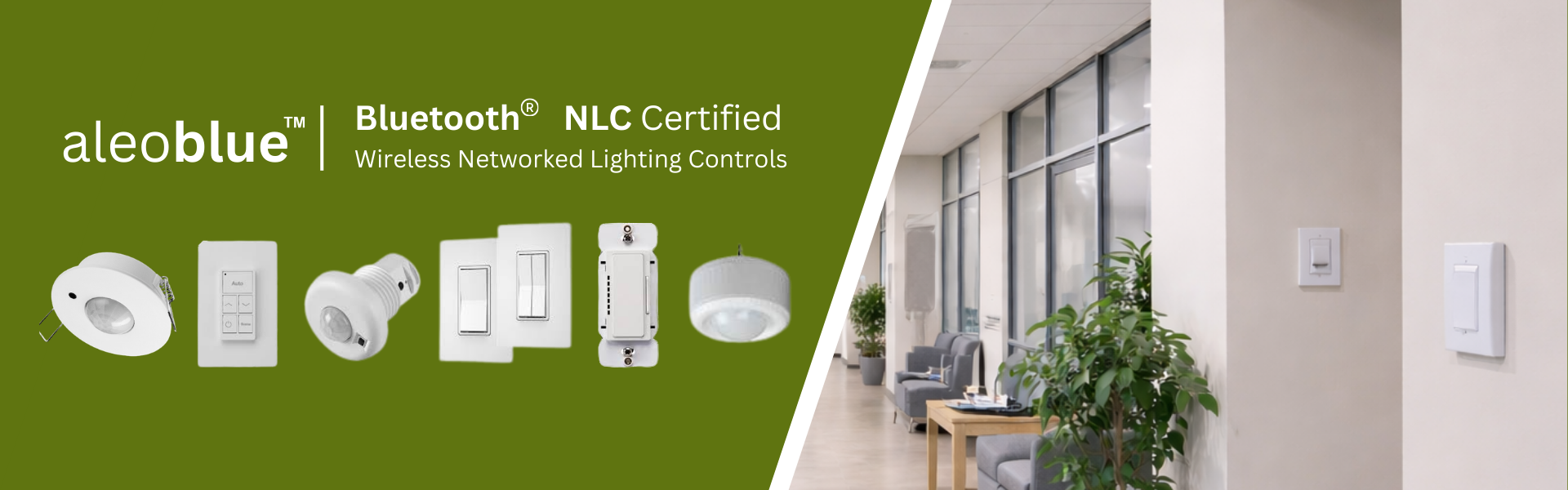
AleoBlue Wireless Lighting Controls represents a modern approach to networked lighting control. It delivers advanced functionality such as zoning, scheduling, occupancy sensing, and daylight harvesting without relying on centralized relay panels or extensive low-voltage control wiring.
For contractors and facility managers, this shift can simplify installation, reduce coordination complexity, and make long-term flexibility far easier to manage.

What Is AleoBlue?
AleoBlue is a Bluetooth mesh-based networked lighting control system developed by Aleo Lighting in partnership with Silvair, a leader in commercial Bluetooth mesh technology.
At a high level, AleoBlue is a distributed wireless lighting control platform designed specifically for commercial and industrial environments. It is scalable from a single room to multi-building facilities and is configured and commissioned through a mobile or web-based interface. Rather than relying on centralized panels or hardwired control zones, AleoBlue uses a mesh network architecture where devices communicate directly with one another.
Unlike traditional wired systems that depend on centralized control panels and hardwired zone circuits, AleoBlue devices communicate wirelessly. Each sensor, switch, and control module becomes part of a secure mesh network.
This eliminates the need for:
- Dedicated control wiring between fixtures
- Large centralized relay panels
- Complex panel schedules
- Hardwired re-zoning when layouts change
Instead, zoning and behavior are defined digitally.
How AleoBlue Works on a Jobsite
Understanding how AleoBlue functions during installation is critical for contractors evaluating specifications.
A typical deployment includes:
- Control-ready LED fixtures or wireless control modules
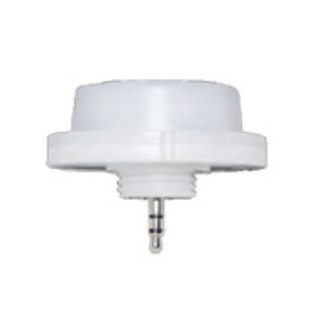
- Wireless occupancy or vacancy sensors
- Daylight sensors
- Wireless wall-mounted dimmer switches
- Optional scheduling or time-based control modules
Devices are installed using standard line-voltage connections. Once powered, they are discovered in the AleoBlue commissioning app.
Commissioning typically involves:
- Identifying installed devices
- Grouping fixtures into zones
- Configuring occupancy and daylight settings
- Defining scenes or schedules
- Verifying system performance
No control wiring is required between fixtures. If zoning needs to change, adjustments are made in the software.
Key Features That Matter on Commercial Projects
While the wireless architecture is important, contractors and facility managers ultimately care about how the system performs on real projects. The following features are what differentiate AleoBlue in practical applications.
Wireless Communication Over Bluetooth Mesh
AleoBlue uses Bluetooth mesh technology to create a distributed network of devices. Each device acts as a node, strengthening network reliability as more devices are added.
This architecture provides:
- Secure communication
- Scalable coverage across large facilities
- Redundancy through multiple communication paths
Unlike Wi-Fi-based systems, Bluetooth mesh is designed specifically for building-scale lighting control networks.
Reduced Control Wiring
One of the most significant advantages of AleoBlue is the elimination of traditional low-voltage control wiring.
For contractors, this can mean:
- Fewer conduit runs
- Reduced material cost
- Shorter installation timelines
- Less coordination with other trades
In retrofit projects, this benefit becomes even more pronounced because ceilings and walls often remain intact.
Built-In Code Compliance
AleoBlue supports modern energy code requirements, including:
- Occupancy sensing
- Vacancy control
- Daylight harvesting
- High-end trim and low-end trim
- Scheduling and automatic shutoff
Because these parameters are configured digitally, adjustments can be fine-tuned during commissioning rather than through physical rewiring.
For projects in jurisdictions governed by IECC or California Title 24, this flexibility can simplify compliance.
Flexible Fixture Integration
AleoBlue can be integrated in two primary ways:
- Installed in Aleo Lighting fixtures with built-in control capability
- Added to existing lighting systems using wireless control devices
This makes the system suitable for:
- LED high bay retrofits
- Office troffer upgrades
- Linear lighting installations
- Outdoor area lighting
It also allows contractors to propose control-ready fixtures during value engineering if networked control is not initially specified.
Where AleoBlue Makes the Most Sense
AleoBlue is particularly effective in projects where:
- Running new control wiring would be disruptive or costly
- Layout changes are likely over time
- Energy savings and code compliance are priorities
- A centralized panel system feels oversized for the scope
Common applications include:
- Warehouses with high bay lighting
- Multi-tenant office buildings
- Schools and municipal facilities
- Retail spaces with flexible merchandising layouts
Because the system scales naturally, it can start small and expand over time.

How Contractors Can Position AleoBlue Strategically
Contractors rarely control the specification, but they can identify opportunities.
When reviewing plans, look for:
- Networked lighting control language
- Daylight harvesting requirements
- Multi-zone scheduling sequences
- Centralized relay panel specifications that may be complex relative to project size
In these situations, AleoBlue may be positioned as:
- A simplified alternative to panel-based systems
- A value-engineered solution that reduces control wiring
- A scalable system for future tenant changes
Our team can assist with reviewing specifications to determine whether a wireless distributed control system would meet the project intent while simplifying installation.

Ready to Explore AleoBlue?
Networked lighting control is no longer limited to large institutional buildings. Wireless mesh systems like AleoBlue make advanced control accessible to projects of every size.
If you are bidding on a project that includes lighting control requirements or if you are evaluating retrofit opportunities, we can help:
- Identify compatible fixtures
- Recommend appropriate AleoBlue devices
- Estimate potential energy savings
- Review drawings and provide alternative strategies
Contact us to discuss your next commercial lighting project and explore how AleoBlue can simplify installation while delivering modern lighting control performance.
Frequently Asked Questions


Latest Blog Updates
MaxLite DSKL Series: Color-Selectable Disk Lights, One SKU for Five CCTs
MaxLite's DSKL Series Disk Light ships in two sizes on one platform: a 4 inch, 10W model and a 6 inc...
Westgate CMC-2Tone Series: One Ceiling Cylinder Platform, Three Sizes
A two-tone ceiling cylinder shows up on a bid set for a reason. The designer wanted a decorative dow...

High-Output Westgate SFP Series Pickleball and Padel Court Lights
Pickleball and padel courts are going in fast right now, on park district budgets, HOA amenity upgra...
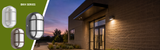
Traditional Bulkhead BKH Series: One Platform, Six Field-Selectable Configurations
Bulkhead fixtures show up on more job types than most contractors give them credit for: apartment br...
Westgate UCLB Series: 120V Direct-Wire Undercabinet Lighting
Undercabinet lighting on a commercial job usually comes down to one call made early in the rough-in:...
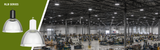
Westgate RLB Series Low Bay: One Fixture, Selectable Wattage and CCT
One switch on top sets wattage and CCT on the RLB Series, Westgate's new selectable low bay. Pick 80...