
Tunable White COB Tape Lighting: Picking the Right Model
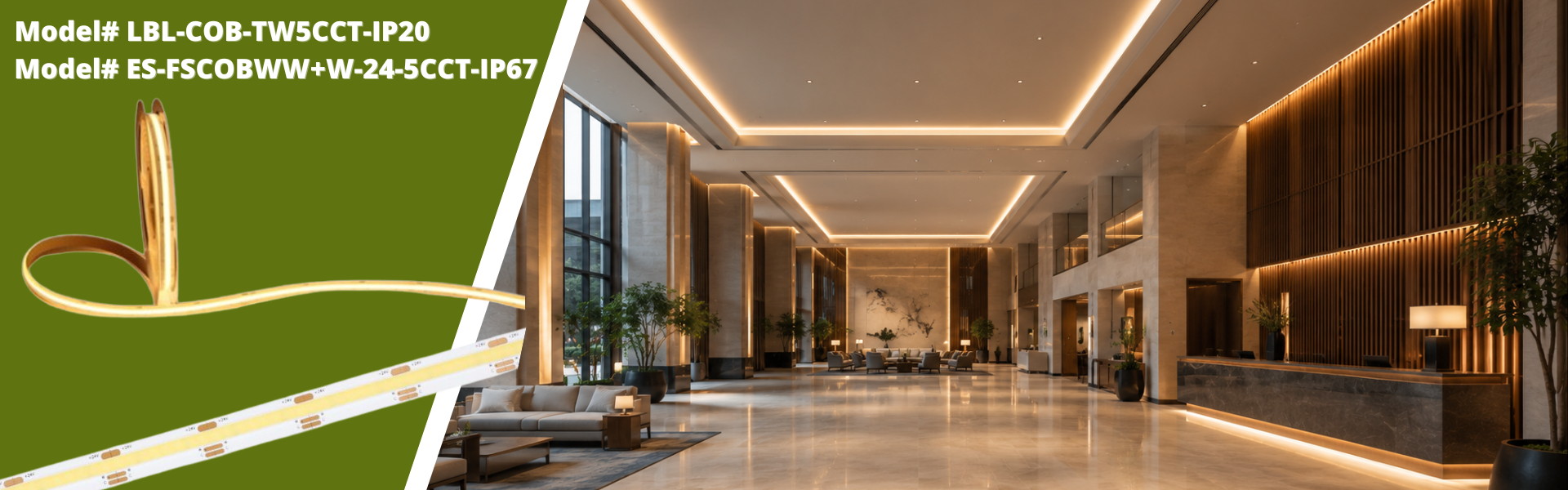
Lotus LED's 5CCT COB tape line ships as two SKUs on one driver platform: a dry-location strip and a sealed, wet-rated strip, both selectable across the same five color temperatures, 2700K, 3000K, 3500K, 4000K, and 5000K. That selection happens at the driver, not the tape, and both models run COB construction with a CRI of 90 or higher, so neither shows a hotspot whether it lands in a finished channel or bare against a cedar wall. Pair the wrong driver, one without the 5CCT switch, and the field selector does nothing at all. Drop in the correct SVD or SDD unit instead, and the tape already mounted on the wall snaps into range without pulling a single foot of adhesive.
Two situations account for most of the orders on this line: a multifamily ownership group standardizing amenity lighting across several properties that were each finished to a slightly different CCT and CRI, and an electrical contractor bidding a hospitality build-out that needs a dry-location run for the locker room cove and a sealed, wet-rated run for the attached sauna, both off the same submittal. The series covers both conditions from one manufacturer: IP20 for dry interior work, cULus certified with a 5-year indoor and 3-year outdoor warranty, and IP67 for wet and high-humidity spaces at 24V, 4.5W per foot, with a 3 oz copper PCB and gold wire leads built for the humidity a sauna or steam room throws at it.

The platform: one driver family, one CCT logic across the line
Both models share the same control platform, which is the real reason to spec them together instead of mixing brands. Each strip uses COB (chip-on-board) construction instead of individual SMD LEDs, and both hold a CRI of 90 or higher. That construction choice is what earns the tape a spot over cheaper SMD strip in a direct-view application: standard SMD tape shows a visible dot pattern through a shallow or unfrosted channel, which is a problem in an open cove reveal or under a glass display shelf where the light source itself is visible. COB runs the phosphor coating continuously across the board, so the uniform wash the drawings call for actually holds up once it is installed. In a fully enclosed channel with a deep frosted lens, that difference matters less, and standard SMD tape can do the job for less money.
Color temperature is user-selectable across five steps, from 2700K to 5000K, and that selection happens at the driver, not the tape. The tape reads whatever CCT signal the driver sends. Lotus only supports CCT selection through specific driver and dimmer combinations: the SVD-24060-J-5CCT and SVD-24096-J-5CCT constant voltage drivers with a 5CCT switch, or the SDD-24060-CCT, SDD-24096-CCT, SDD-24060P-WLCCT-TWB, and SDD-24096P-WLCCT-TWB driver-dimmer combos. A standard constant voltage driver without the 5CCT switch will power the tape at a fixed color temperature, and the field selector will not do anything. That is worth catching at the takeoff stage, not after the tape is up and the electrician is troubleshooting a dead selector switch. For a job with more than a simple wall selector, the same accessory list includes a 5-channel PWM LED controller (568P-3), which is the part to spec when CCT selection needs to tie into a lighting control panel or a multi-zone dimming scheme instead of a standalone switch.
The 5-step CCT range also lets one SKU cover a spec that calls for different color temperatures in different rooms: warm 2700K to 3000K in a spa or relaxation zone, up to 5000K in a locker room or closet with task-level needs, without stocking a separate fixed-CCT tape for every zone.
The range: matching IP rating, listing, and construction to the run
The two models share the platform but split on where they can go and what they ship with. The table below lines up the differences that actually change a bid.
| Model | IP Rating | Voltage / Wattage | Typical Application | Wiring / Mounting | Listing |
|---|---|---|---|---|---|
| LBL-COB-TW5CCT-IP20 | IP20 | Not stated in the material provided; confirm on the spec sheet | Dry interior runs: cove, millwork, display, reception ceilings | Wires on both ends, double-sided 3M adhesive tape | cULus certified |
| ES-FSCOBWW+W-24-5CCT-IP67 | IP67 | 24V, 4.5W per foot | Wet and high-humidity spaces: sauna, steam room, closet, storage | 6-inch wire leads on both ends, 2 end caps included, seamless (no diffuser cover needed) | Not stated in the material provided; confirm before specifying into an inspected wet-location install |
The listing gap on the IP67 model is worth flagging before it lands on a project that needs sign-off in a wet location. The material provided lists cULus certification for the IP20 tape but does not state a listing for the IP67 strip. Confirm that on the spec sheet before it goes into a job where the inspector is going to ask for it.
The 3 oz copper PCB and gold-plated wire leads on the IP67 model are not there for show. Heavier copper trace handles current with less resistive loss over the life of the strip, and gold-plated leads resist the corrosion that thinner tin-plated leads develop in a humid or wet environment, which is the failure mode that actually takes down tape lighting in a sauna or steam room over time.
Browse all LOTUS-LED Tape Lighting

How to pick within the family
The IP rating is not a preference call, it is a location call, and it is usually set by whoever wrote the spec or scoped the retrofit, not by whichever tape happens to be cheaper or already in the truck.
On new construction or a design-driven renovation, the interior designer or lighting designer sets the CCT range and CRI target as part of the finish package, and decides where the tape needs to be wet-rated based on the room program. A sauna, steam room, or shower niche gets the IP67 designation on the drawings. The contractor's job is to bid it as specified, confirm the driver combination on the takeoff, and flag any place the drawings do not clearly separate a dry run from a wet one before the order goes in.
On retrofit and maintenance-driven work, a facility manager or property owner is usually the one scoping the job. If they are adding tape lighting to a spa or wellness build-out, or replacing failed tape in an existing sauna, the same logic applies: match the IP rating to the room's moisture exposure, not to whichever SKU is already on hand from a dry-location job. Running IP20 tape into a sauna is a warranty problem waiting to surface. Running IP67 tape everywhere on a dry interior job is not dangerous, just an unnecessary cost, since the sealed construction and gold wire leads add price the dry run does not need.
Installation method splits along the same line. The IP20 tape is raw COB on adhesive backing, so a mounting channel or extrusion is typically part of the takeoff, both for a clean finished look and to protect the exposed board and adhesive bond over time. The IP67 strip is described as a sealed, seamless linear light that does not need a diffuser cover, so it can mount bare in some applications. Confirm that against the actual spec sheet before dropping a channel line item from a wet-location bid; "no diffuser cover needed" is not the same claim as "no mechanical mounting support needed."
Sourcing and installation across the line
A few jobsite details apply across both models once the order is placed.
- Confirm cut increments and minimum run length on the spec sheet before ordering. COB tape has different cut points than standard SMD tape, and getting the run length wrong after the tape ships turns into a change order, not a quick fix.
- On longer runs, feed power from both ends where the wiring allows it. These strips ship with wires on both ends specifically to support that, and it keeps voltage drop from dimming one end of a long run.
- The IP67 model ships with two end caps included; the IP20 model does not need them since it is not sealed for moisture. Do not assume end caps alone seal a dry-location tape for a wet run.
- Treat this as a special order item through the distributor and confirm lead time, stock posture, and current DLC listing status at quote time. Tunable white COB tape is not a shelf commodity the way single-CCT strip is, and freight damage claims on tape rolls are easier to avoid than to process after the fact.

Explore the Lotus LED Tunable White COB Tape Light Series
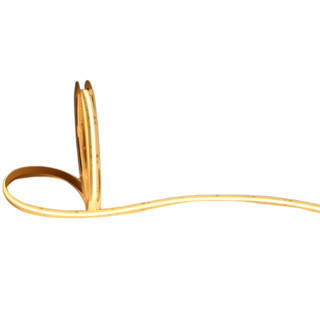
The Lotus LED Tunable White COB Tape Lights is available through RelightDepot in two platforms built on the same driver family: the LBL-COB-TW5CCT-IP20 for dry interior runs and the ES-FSCOBWW+W-24-5CCT-IP67 for wet and high-humidity locations. Both are field-selectable across five color temperatures, 2700K, 3000K, 3500K, 4000K, and 5000K, when paired with a matching Lotus 5CCT driver or driver-dimmer combo, so whichever platform the run calls for is in stock and ready to configure by IP rating and CCT control. Log into your Hotsheet for current pricing.
Our team works with electrical contractors and facility teams to support takeoffs, driver and CCT configuration questions, and lead-time questions for tunable white tape and COB lighting packages.
Email [email protected] or call 888-548-6387 to speak with a lighting specialist.
shop the sale
-
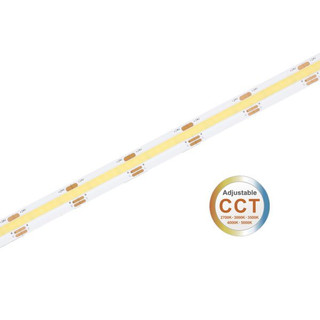
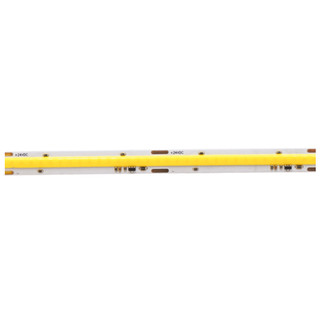
Lotus LED Lights 5CCT 2700-5000K COB LED Tape, 24V, IP20, 16.4ft Roll
LLL-LBL-COB-TW5CCT-IP20-16FT
$90.55 -
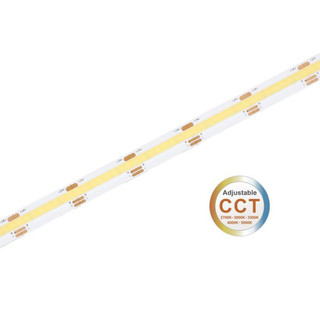
Lotus LED Lights 5CCT 2700-5000K COB LED Tape, 24V, IP20, 100ft Roll
LLL-LBL-COB-TW5CCT-IP20-100FT
$520.25 -
-
-
Out of stock
Frequently asked questions
Stuck on something? We're here to help with all your questions and answers in one place.
Latest Blog Updates
Traditional Bulkhead BKH Series: One Platform, Six Field-Selectable Configurations
Bulkhead fixtures show up on more job types than most contractors give them credit for: apartment br...
Westgate UCLB Series: 120V Direct-Wire Undercabinet Lighting
Undercabinet lighting on a commercial job usually comes down to one call made early in the rough-in:...
Westgate RLB Series Low Bay: One Fixture, Selectable Wattage and CCT
One switch on top sets wattage and CCT on the RLB Series, Westgate's new selectable low bay. Pick 80...

FDLO Series Oval Flush Mount
The FDLO Series ships as a 32.5-inch oval double-ring flush mount with a field-select switch that se...
EiKO AAL1 and VERT Light Clearance: 17 SKUs In Stock Now
RelightDepot is running an EiKO sale on AAL1 area lights and VERT site lights, with select SKUs mark...

MaxLite MLFP Series: FlatMax G6 Flat Panels
MaxLite's FlatMax G6 turns three separate flat panel SKUs into one line item on a takeoff: 1x4, 2x2,...